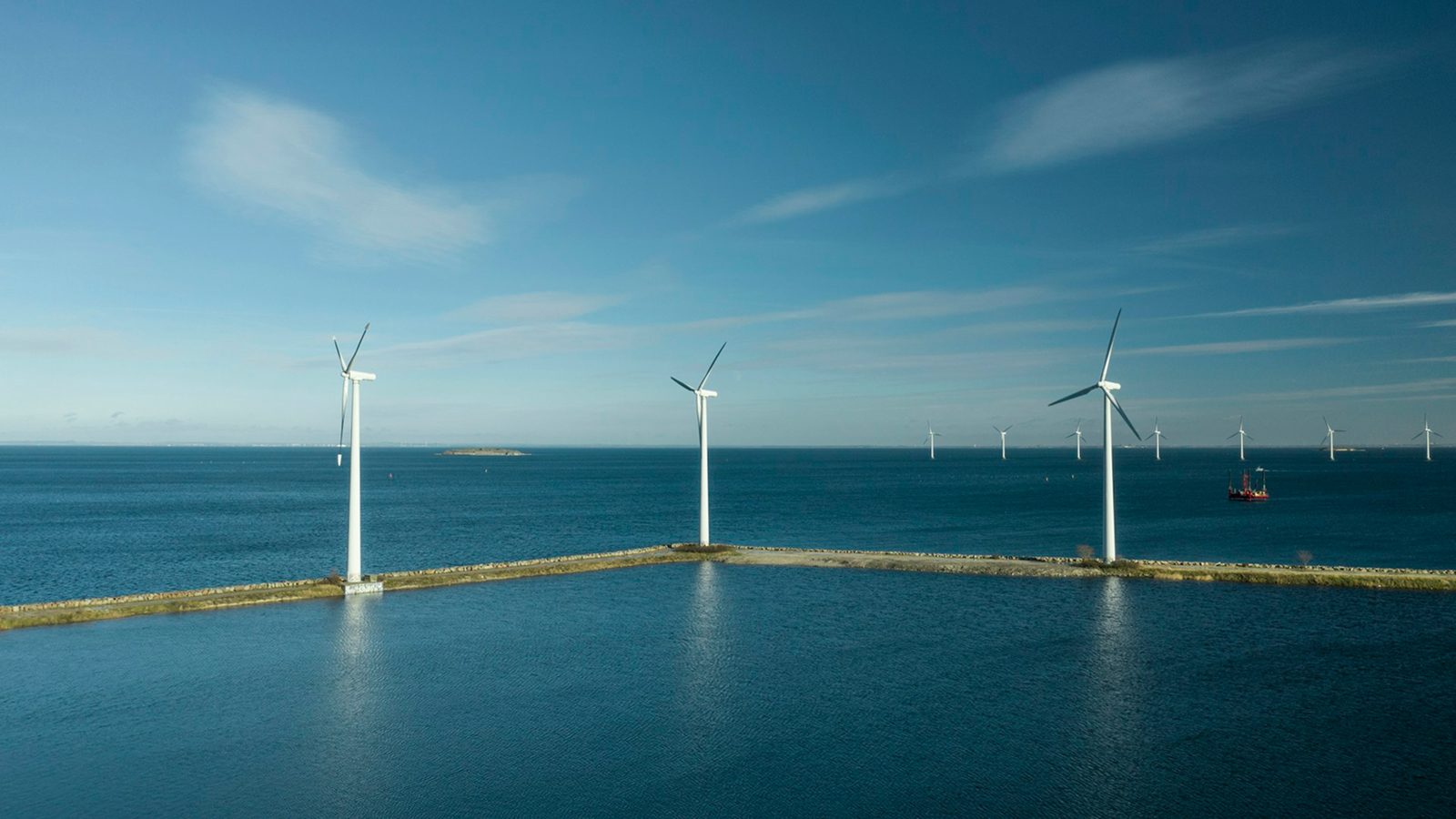
Техник по обслуживанию морских ветрогенераторовOffshore wind turbine technician
Дания – родина оффшорной ветроэнергетики и крупнейший экспортёр турбин в мире. Там, где другие страны только обсуждают зелёный переход, датчане двадцать лет стоят на палубах CTV и лазают по гондолам в Северном море. Профессия молодая, но уже системная: с программами обучения, профсоюзом и хронической нехваткой рук.
Что делает специалист
Поднимается на турбину высотой с 25-этажный дом посреди Северного моря и обслуживает то, что внутри: редукторы, генератор, гидравлику, лопасти. Половина работы – диагностика по сенсорам, половина – болты и масло на ветру 15 м/с.
Зарплата в начале карьеры
На старте 3000–3300 € нетто в месяц – это немного ниже средней зарплаты по Южной Дании. В Эсбьерге, главной базе оффшорной индустрии, на эти деньги снимаешь однушку за 700–900 € и спокойно живёшь, ещё остаётся на машину и перелёты домой. В Копенгагене та же сумма уже впритык, поэтому почти все техники селятся на западном побережье ближе к портам.
Зарплата через 3–5 лет
3700–4200 € нетто, а с офшорными надбавками за вахты 14/14 в море – до 5000 €. Путь наверх: специализация на турбинах Siemens Gamesa или Vestas, лидер бригады, потом Lead Technician на конкретной площадке.
Как учиться
Базовый сертификат GWO BST + BTT – 2–3 недели, 2500–4500 €. В Дании учат в Maersk Training Esbjerg и Danish Wind Power Academy . Полный путь – датская EUD-программа Vindmølleoperatør, 2,5 года с зарплатой ученика. Иностранцы чаще приходят уже с GWO и устраиваются напрямую.
Язык и особые навыки
Английский B2 – рабочий язык в индустрии. Датский не обязателен на старте, но через год сильно помогает. Нужны: голова без страха высоты, спокойный желудок (CTV качает), базовая механика или электрика. Айтишный бэкграунд – плюс: современные турбины – это PLC, SCADA и тысячи сенсоров.
Востребованность
Дания строит к 2030 году около 9 ГВт новых оффшорных мощностей – удвоение текущего парка. Vestas и Ørsted открыто говорят о тысячах вакансий техников до конца десятилетия.
Виза и путь для иностранцев
Профессия Service Technician (Iron & Metal) включена в Positive List for Skilled Work на 2026 год – это упрощённый путь к work-and-residence permit с реальным оффером. Срок рассмотрения – 1–3 месяца. Альтернатива – Pay Limit Scheme для опытных, порог около 6200 € брутто в месяц .
Главный миф: «зелёная энергетика – это про офисных инженеров с MacBook». Нет. Оффшорный ветер держится на людях, которые в 6 утра садятся в катер, идут полтора часа по Северному морю и потом восемь часов работают руками внутри гондолы. Это синий воротничок XXI века: без диплома, но с сертификатом, который везде в мире одинаковый, и с зарплатой выше датского офисного среднего.
Эсбьерг – единственный город в Европе, который официально называет себя «Energy Metropolis of Denmark». Через его порт прошло около 80% всех ветровых турбин, установленных в Северном море. Если живёшь там, до работы 30 минут на CTV, а соседи по подъезду – норвежцы, поляки, испанцы и пара украинцев, которые тоже зашли в индустрию через GWO.
Стандартный путь для иностранца:
→английский до B2
→GWO BST + BTT в аккредитованной школе (в Польше или Германии дешевле, чем в Дании)
→1–2 года onshore-опыта в польских или немецких ветропарках для CV
→отклик на вакансии Vestas / Siemens Gamesa / Ørsted в Эсбьерге
→оффер
→подача на Positive List permit
→переезд
Честный минус: работа физически тяжёлая и полностью зависит от моря. Зимой шторма закрывают окна выходов на недели, летом – вахты по 14 дней подряд по 12 часов на качающейся платформе. Морская болезнь у новичков – норма первых месяцев. Но именно эти качающиеся часы оплачивают квартиру в портовом городе, где закат над Северным морем видно прямо из окна кухни.
Denmark is the birthplace of offshore wind power and the world's largest exporter of turbines. While other countries are still debating the green transition, the Danes have spent twenty years standing on CTV decks and climbing into nacelles in the North Sea. The profession is young but already systematic: with training programs, a union, and a chronic shortage of hands.
What the specialist does
Climbs a turbine the height of a 25-story building in the middle of the North Sea and services what's inside: gearboxes, generator, hydraulics, blades. Half the work is sensor diagnostics, half is bolts and oil in 15 m/s winds.
Starting salary
At entry level 3000–3300 € net per month – a bit below the average wage in southern Denmark. In Esbjerg, the main base of the offshore industry, this gets you a one-bed flat for 700–900 € and a comfortable life with money left for a car and trips home. In Copenhagen the same sum would already be a stretch, so most technicians settle on the west coast near the ports.
Salary after 3–5 years
3700–4200 € net, and with offshore allowances for 14/14 rotations at sea – up to 5000 €. The path up: specialization on Siemens Gamesa or Vestas turbines, crew leader, then Lead Technician at a specific site.
How to train
Basic GWO BST + BTT certificate – 2–3 weeks, 2500–4500 €. In Denmark, training is offered at Maersk Training Esbjerg and Danish Wind Power Academy . The full route is the Danish EUD program Vindmølleoperatør, 2.5 years with an apprentice salary. Foreigners more often arrive already holding GWO and get hired directly.
Language and special skills
English B2 is the working language of the industry. Danish isn't required at the start but helps a lot after a year. You need: a head with no fear of heights, a calm stomach (the CTV rocks), basic mechanics or electrics. An IT background is a plus: modern turbines mean PLC, SCADA, and thousands of sensors.
Demand
By 2030 Denmark is building roughly 9 GW of new offshore capacity – doubling the current fleet. Vestas and Ørsted openly talk about thousands of technician vacancies through the end of the decade.
Visa and route for foreigners
The Service Technician (Iron & Metal) profession is on the Positive List for Skilled Work for 2026 – a streamlined route to a work-and-residence permit with a real offer. Processing takes 1–3 months. The alternative is the Pay Limit Scheme for experienced workers, with a threshold around 6200 € gross per month .
The big myth: "green energy is about office engineers with MacBooks." Nope. Offshore wind is held up by people who climb into a boat at 6 a.m., spend an hour and a half on the North Sea, and then work eight hours with their hands inside a nacelle. This is the blue collar of the 21st century: no diploma, but with a certificate that's the same everywhere in the world, and a salary above the Danish office average.
Esbjerg is the only city in Europe that officially calls itself the "Energy Metropolis of Denmark." Roughly 80% of all wind turbines installed in the North Sea have passed through its port. If you live there, work is 30 minutes away by CTV, and your neighbors in the building are Norwegians, Poles, Spaniards, and a couple of Ukrainians who also got into the industry through GWO.
Standard route for a foreigner:
→English to B2
→GWO BST + BTT at an accredited school (cheaper in Poland or Germany than in Denmark)
→1–2 years of onshore experience at Polish or German wind farms for the CV
→apply to Vestas / Siemens Gamesa / Ørsted vacancies in Esbjerg
→offer
→application for the Positive List permit
→relocation
The honest downside: the work is physically demanding and entirely dependent on the sea. In winter, storms close the weather windows for weeks; in summer it's 14-day rotations of 12-hour shifts on a swaying platform. Seasickness is the norm for newcomers in the first months. But it's exactly those swaying hours that pay for the apartment in a port town where you can see the sunset over the North Sea straight from the kitchen window.