Ancient Mosaic Restoration Specialist
Ancient Mosaic Restoration Specialist

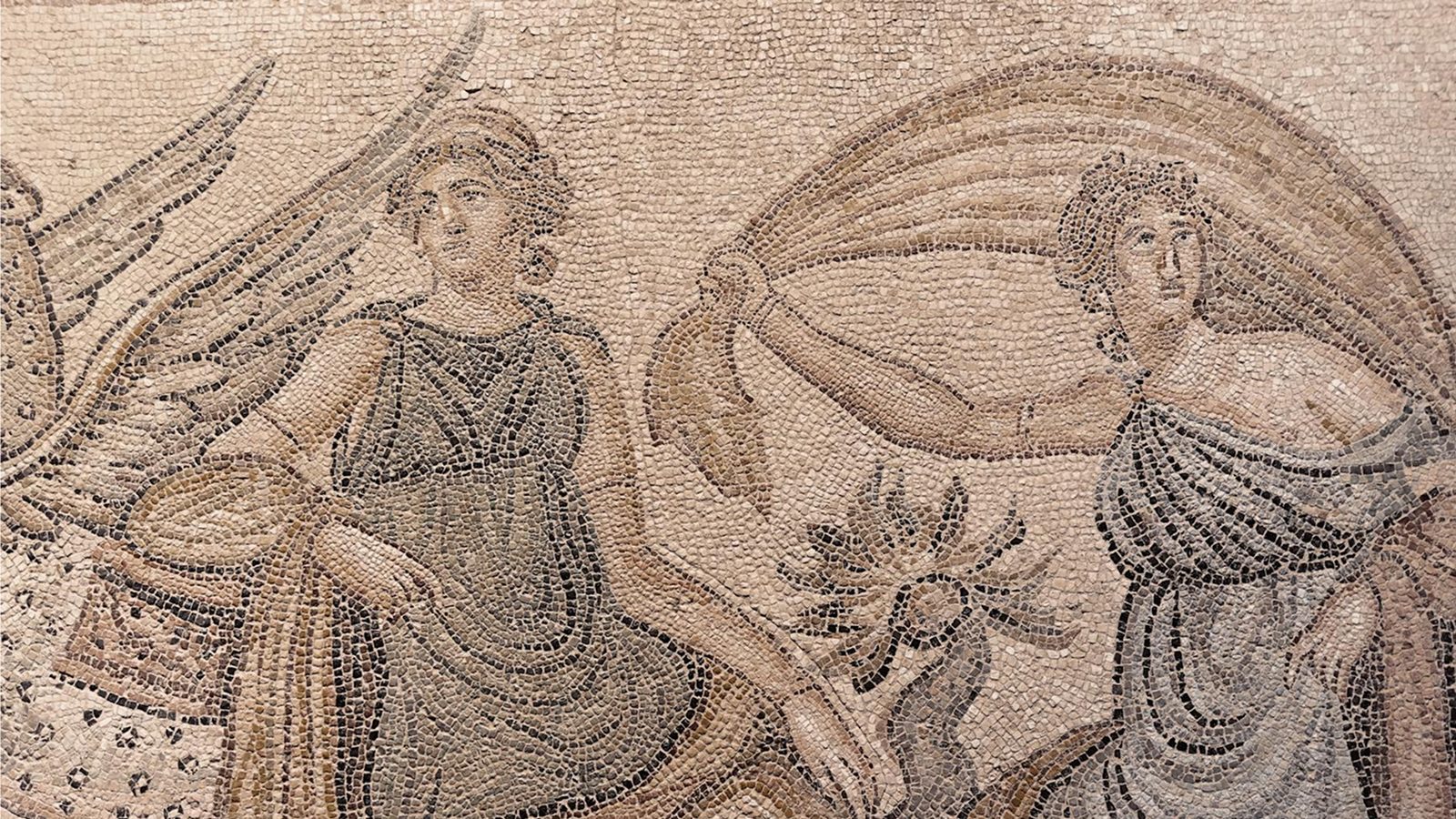
Somewhere in the basement of a Sicilian museum, a gloved specialist is carefully placing 2,000-year-old tesserae back in place. This isn't a movie set – it's a job. And Italy is the only country where this profession exists at an industrial scale.


What the specialist does
Removes, cleans, consolidates, and restores mosaic surfaces from Roman villas, basilicas, and thermal baths – hands-on work with a spatula and magnifying glass, in museums and directly at excavation sites.
Starting salary
At entry level 1400–1700 € net per month – about the average wage in Italy, and in the south, where most workshops sit, even slightly above the typical pay. Rent in southern Italy is manageable; Rome and Milan will require some belt-tightening.
Salary after 3–5 years
2200–3500 € – if you work for major institutions like MiC or private restoration studios with international contracts.
How to study
Laurea magistrale in restoration (LMR/02) – for example, at Università degli Studi Roma Tre or Accademia di Belle Arti di Venezia. 2 years after a bachelor's degree. Cost: 2000–4000 €/year. There are also specialized ICCROM courses in Rome – 6–10 weeks, from 3000 €.
Language and special skills
Italian B2 – mandatory: all documentation, communication with soprintendenza and clients. English B1 plus for international projects. Prior hands-on experience with materials is an advantage, but not required.
Demand
Italy officially registers over 50,000 archaeological sites with mosaics, and only ~400 certified specialists in ancient mosaics. The shortage is real and documented by the ICS.
Visa and pathway for foreigners
Student visa D during studies → after graduation – visto per lavoro subordinato or self-employment. Realistic, but not fast: full cycle 3–4 years. Some start with volunteer work on excavations through the INTERREG programme.

"It's such a narrow specialty – what's next?" – that's the first thought of any sensible person. In reality, a mosaic restorer isn't a dead end, but a rare monopoly. These specialists are called to Turkey, Greece, Tunisia, the UAE: anywhere Roman history is being uncovered. Private collectors pay 150–300 € per day for consultation. UNESCO funds projects in conflict zones. Narrow doesn't mean unwanted.

Italy is special because mosaics here aren't museum artifacts – they're living infrastructure. Villa Romana del Casale in Sicily – a UNESCO site with 3,500 m² of mosaic floors – is in constant restoration. The Naples Museum holds the world's largest collection of Pompeian mosaics. The work literally never stops.

Standard route for a foreigner:

  • Italian to B2 (1.5–2 years self-study + courses)
  • volunteer work on excavations in Italy through AIESEC or ArchaeoVen
  • admission to magistrale or ICCROM course
  • internship in a restoration studio
  • first contract with a municipal museum or private studio.

The honest downside: the profession is physically exhausting. Working on your knees for 6 hours in unventilated spaces, chemical solvents, chronic back problems in 60% of restorers over 45 – this isn't romance, it's manufacturing. But if you're not scared by the question "where does it hurt?" – then every day you're literally holding in your hands something that outlasted Rome.

Liked the post? Follow on Telegram →