Wreck dive instructor
Wreck dive instructor

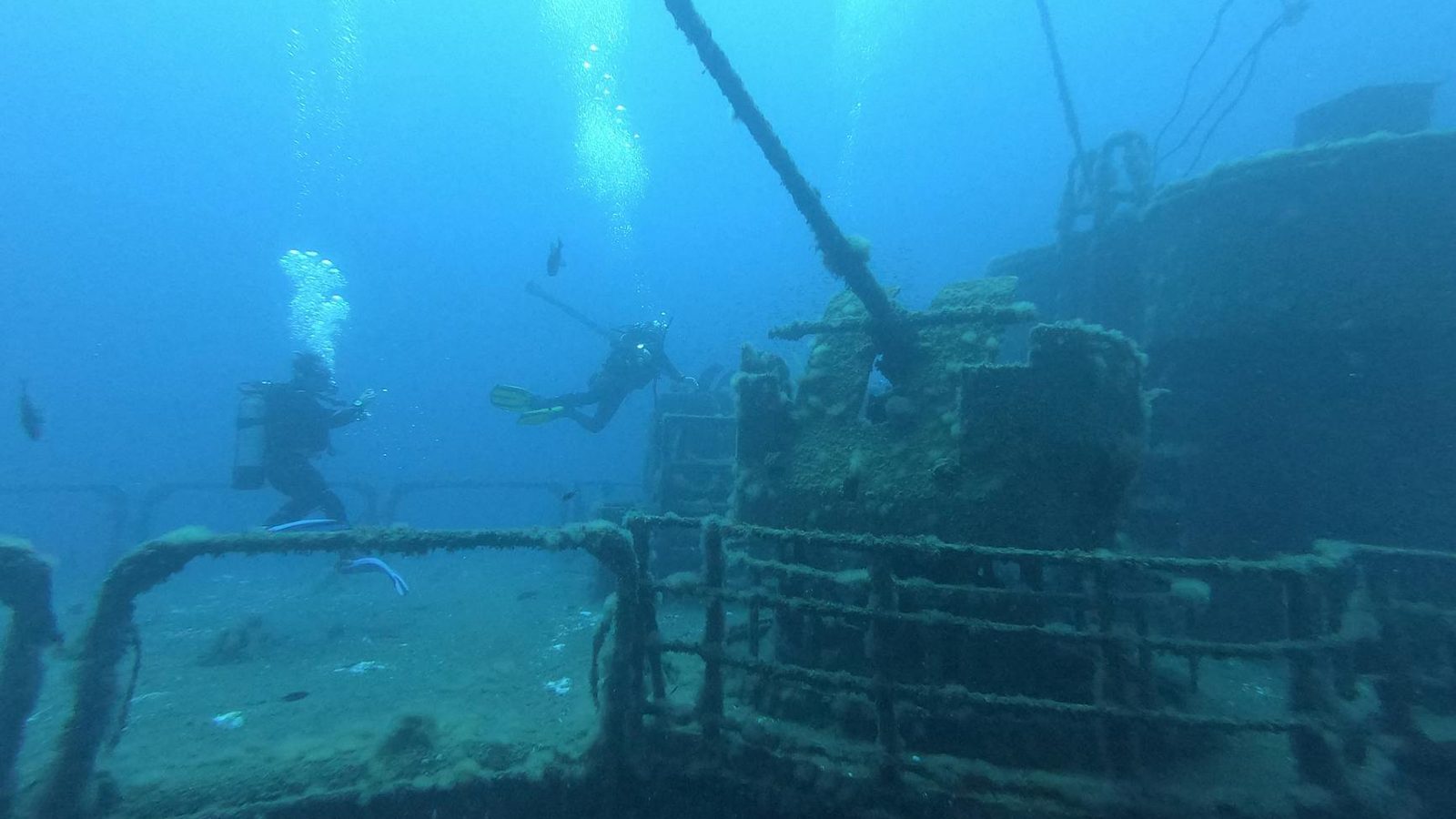
Malta is a tiny archipelago with the densest concentration of shipwrecks in the Mediterranean: 25+ hulls within an hour of the shore. Local dive centres teach guests to dive down to them year-round, and wreck instructor here is a separate position that's constantly understaffed.


What the specialist does
Leads groups of 2–4 divers to WWII destroyers, minesweepers and cargo ships at depths of 18–50 m. Teaches safe navigation inside the hull, working with a reel and lift-bag, and runs PADI Wreck Specialty certifications.
Starting salary
At entry level, 1500–1800 € net per month plus commission on certifications and tips – roughly on par with Malta's average net salary (about 1700 €). In St Julian's that amount is tight, but in Buġibba or on Gozo a room rents for 350–450 €, and you've got something left over to live on.
Salary after 3–5 years
2200–2800 € net at MSDT or Course Director level. Beyond that – your own dive centre, or winter contracts in the Red Sea at double the seasonal rate.
How to train
PADI IDC (Instructor Development Course) – 8–9 days, 3000–3500 € including materials and the exam . Before that you need to work through Open Water → Advanced → Rescue → Divemaster: 60+ dives and 1–2 years of practice.
Language and special skills
English B1 is the working language of Malta's entire dive industry; Maltese isn't required. German, Italian and Russian are a plus – they're the main tourist languages.
Demand
30+ dive centres on an island of 550k people. The season runs March to November, and at peak there's a constant shortage of instructors – vacancies sit openly on DiveCareers and DeeperBlue.
Visa and route for foreigners
Single Permit – combined work + residence for 1 year , processed in up to 4 months against a real offer from a Maltese centre. For experienced instructors there's the Key Employee Initiative with an expedited timeline.

The big myth: that this is "a job for backpackers for six months between university and adult life." In Malta a wreck instructor is a normal profession with a salary above divemaster level, social security contributions, and a real career ladder all the way to owning your own centre. People live this way for decades.

Malta is a rare case where some of the ships were sunk deliberately as artificial reefs. The 110-metre tanker Um El Faroud off Wied iż-Żurrieq, the patrol boat P29, the minesweeper Rozi, the 1942 British destroyer HMS Maori – all within a single day's diving and accessible straight from the shore. There's nowhere else in Europe with a set like that.

Standard route for a foreigner:

  • Open Water + Advanced + Rescue (1–2 months, around 1500 €)
  • 60 dives and Divemaster (4–6 months)
  • IDC and the OWSI exam (8–9 days, 3000–3500 €)
  • an offer from a dive centre via DiveCareers or direct emails
  • Single Permit against that offer (up to 4 months)
  • relocation

The honest downside: seasonality. From December to February the water is 14–15 °C, tourists are scarce, and some centres close or cut staff – you either save through the summer or head off for the season to Egypt or Thailand. But from March onwards Malta is yours again, and those 25 sunken ships haven't gone anywhere.

Liked the post? Follow on Telegram →