Royal estate falconer
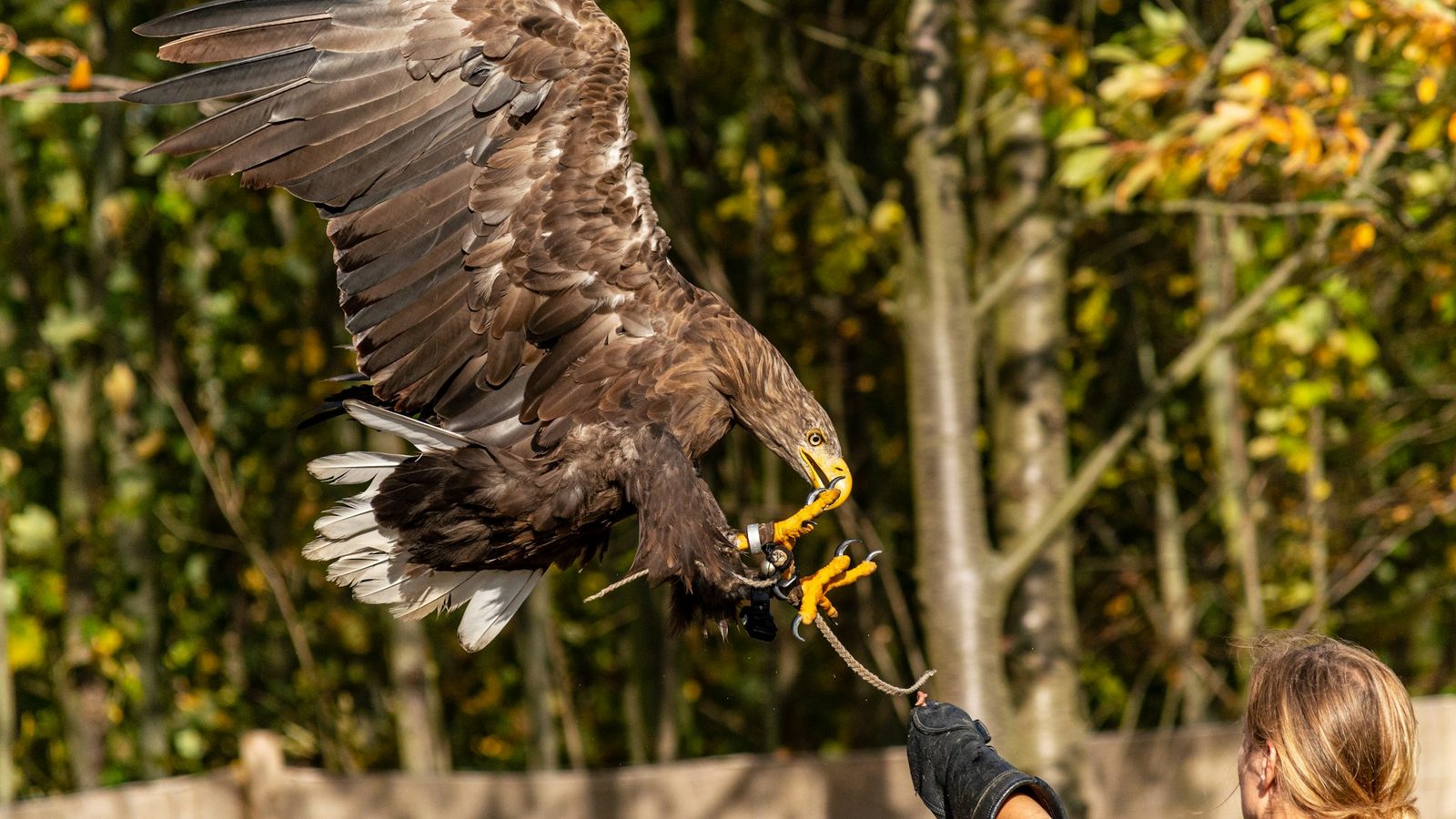
The UK is the only country in Europe where falconry has survived as an unbroken profession since the 13th century. Here a falconer isn't a tourist attraction but an estate-service employee on Crown and private lands: chasing rooks off the wheat, keeping pigeons away from castles, working the birds at royal shoots in Sandringham and Balmoral.
The big myth: "Falconry is a closed aristocratic hobby – without English roots you'll never break in." In reality the British Falconers' Club has around 5000 members, and the overwhelming majority are ordinary people of average means. Estates aren't looking for a surname – they're looking for someone willing to get up at five in the morning and lug a hawk around in the rain.
In the UK there's still a court office of Hereditary Grand Falconer of England, passed down in the St John family since 1660. The Crown Estate keeps staff falconers at Sandringham and Balmoral, and Heathrow Airport runs a team of eight birds of prey that chase gulls off the runway around the clock.
Standard route for a foreigner:
- English up to B2
- short Raptor Awards Certificate at a British centre (3–6 months, on a visitor visa)
- enrolment in the Level 3 Diploma at Hadlow College (Student visa, 2 years)
- Graduate Route for 2 years and an apprenticeship on an estate
- transition to Skilled Worker via a head falconer position with a salary above the visa threshold
The honest downside: British weather is not a metaphor. Eight hours under wet horizontal wind, muddy boots up to the knee, a hawk you have to warm up against your own body, and an 18th-century winter cottage without proper heating. But when a peregrine comes back to the glove in spring with its first kill, you realise you've traded a monitor for the sky – and it was worth it.