Traditional Sheep Milk Cheese Maker
Traditional Sheep Milk Cheese Maker

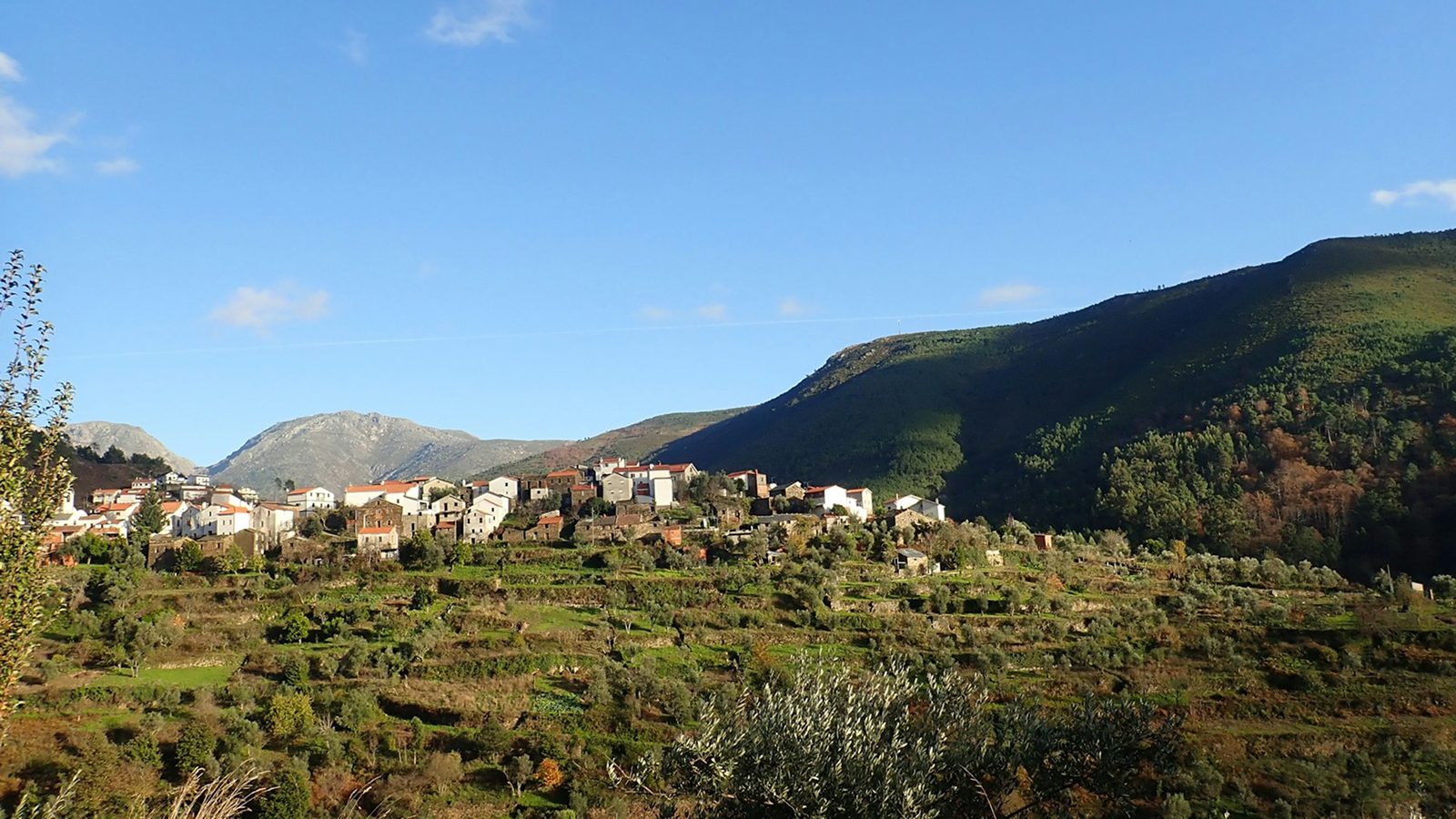
Portugal is one of the few European countries where sheep cheese production is still considered a living craft rather than a museum piece. The Alentejo and Serra da Estrela regions produce cheeses with protected designation of origin (DOP), and demand for people who know how to make them by hand consistently exceeds supply.


What the specialist does
Controls the entire cheese production cycle – from milk intake to aging: culturing, molding, salting, monitoring maturation. Works with a living product where each batch differs slightly.
Starting salary
Around 900 € net per month – formally a bit below the average wage in Alentejo, but most positions come with housing and meals on the farm, so the take-home package lands around the regional average. Without those perks: a room in Évora is 250–300 €, food and transport another 300 €, leaving a small cushion. Without farm-provided housing it's already a stretch.
Salary after 3–5 years
1300–1800 € net when working at a large cheese operation or running your own. Master cheesemakers with a name and DOP product sell cheese directly to restaurants – that's a different level.
How to study
Escola de Hotelaria e Turismo or courses through Alentejo and Serra da Estrela cooperatives – 3 to 6 months, 500–1500 €. The most practical route is a farm internship (estágio), often free or symbolically paid.
Language and special skills
Portuguese B1 minimum – commands, instructions, communication with farmers. Previous food or agriculture experience is a plus but not required. English is barely used.
Demand
According to industry associations, the number of certified DOP master cheesemakers in Portugal is declining – young people are leaving for cities. Farms actively seek people willing to learn from scratch.
Visa and path for foreigners
Work visa D1 or seasonal worker visa. In practice: you find a farm through AGRO portals or directly, get a contract, submit documents. Processing time – 1–3 months. Portugal is loyal to foreign labour migrants.

The big myth: "this craft is for people who grew up with sheep." In reality, most current masters came from completely different fields – construction, retail, office work. DOP cheese production technology is documented and taught in courses. What matters is attentiveness and patience, not a family recipe.

Serra da Estrela is the only Portuguese cheese you eat with a spoon: it's so creamy you cut off the top and scoop it out. Made in winter – November to March, only from local Bordaleira breed sheep milk. A single wheel weighs up to 1.7 kg and costs 30–50 €. This isn't a mass-market product – it's artisanal, where the master literally matters.

Standard route for a foreigner:

  • learn Portuguese to B1 (6–9 months online)
  • find a farm in Alentejo or Serra da Estrela through portals like Net-Empregos or directly through cooperatives
  • arrange an internship with housing
  • apply for work visa D1
  • work a season, get a recommendation
  • complete a certification course and stay in a permanent position.

The honest downside: the work is physically monotonous and ties you to one place. Early mornings, whey smell in your clothes, cold facilities in winter. This isn't Instagram farmstead romance but quiet, somewhat meditative routine. But it's precisely that quietness people come here for.

Liked the post? Follow on Telegram →