Surf instructor on the Atlantic coast
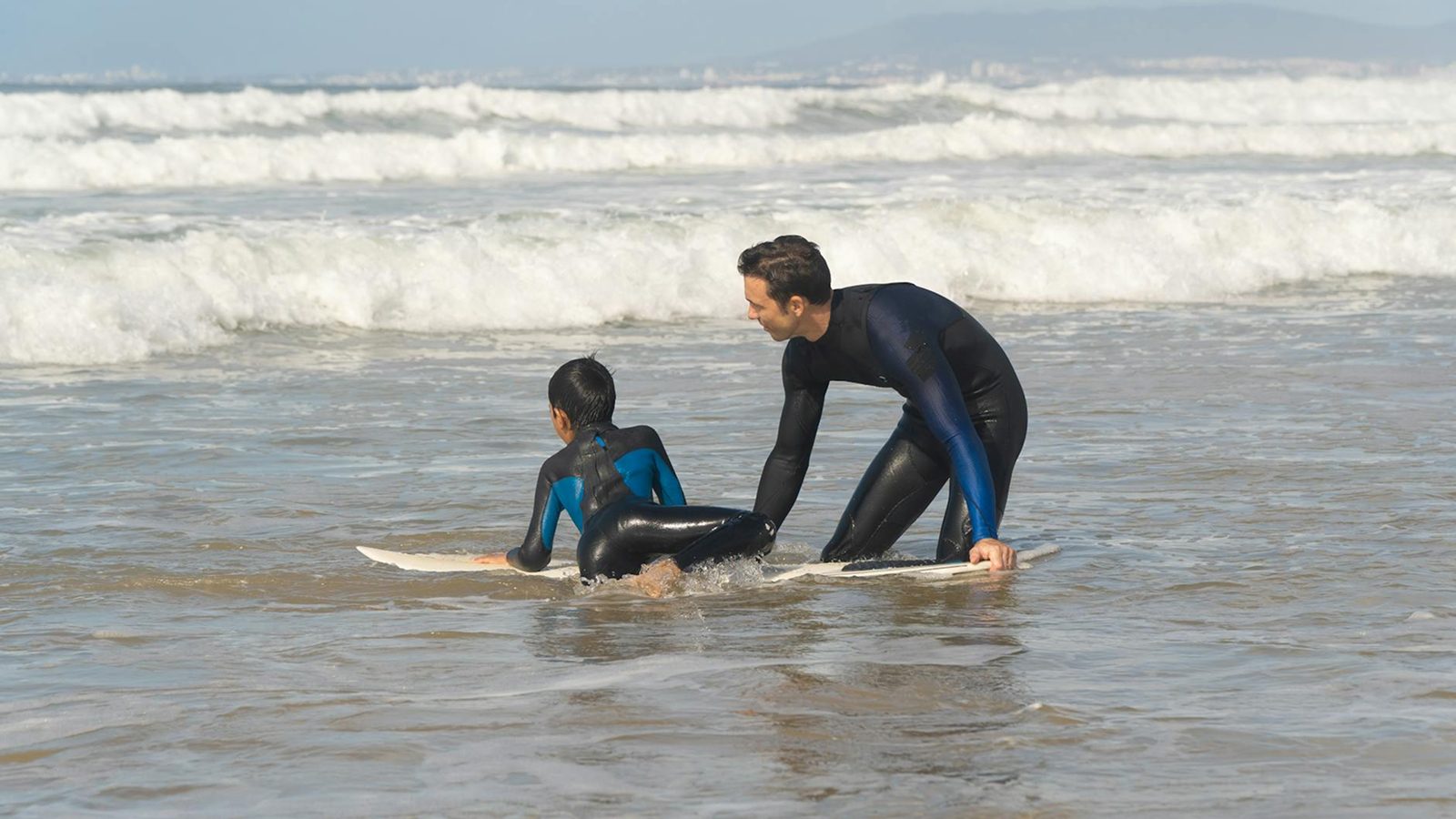
Portugal's Atlantic coast is one of the few places in Europe where the waves work year-round. Nazaré, Peniche, Ericeira – here surfing isn't a seasonal attraction but a way of life and a full-fledged industry. That's exactly why demand for instructors here is steadier than anywhere else on the continent.
The big myth: surf instructor – this isn't a profession, it's a way to loaf around by the ocean on someone else's dime. In reality it's physically tough work: 4–6 hours in the water, sometimes in cold Atlantic April in a wetsuit, with a group of tourists, half of whom are afraid of water. Schools look for people with ISA certification, teaching experience, and the ability to manage a group – not just "people who can surf."
Why Portugal specifically. Nazaré is where in 2020 Sebastian Steudtner caught officially the biggest wave in the history of surfing: 26.21 m – a world record. This made the coastline a magnet for surf tourism from around the world. People come here not just for the beach – they want to learn where a legend lives.
Standard route for a foreigner:
- Bring your surfing level up to intermediate (if you don't have it yet)
- Complete ISA Level 1 – can be done in any country or right in Portugal
- Write to 15–20 surf schools in Peniche and Ericeira directly (LinkedIn, Instagram, email)
- Get an offer
- Apply for visa D
- First season as an assistant instructor
The honest downside: income in the first year is unstable. Even in Portugal there's a low season (November – February), when schools cut back their schedules. Some instructors combine this time with side work – as guides, at surf camps in other countries, online coaching. A financial cushion for 2–3 months when moving – not a luxury, but a necessity. At least the ocean isn't going anywhere.