Peatland GIS cartographer and carbon monitoring specialist
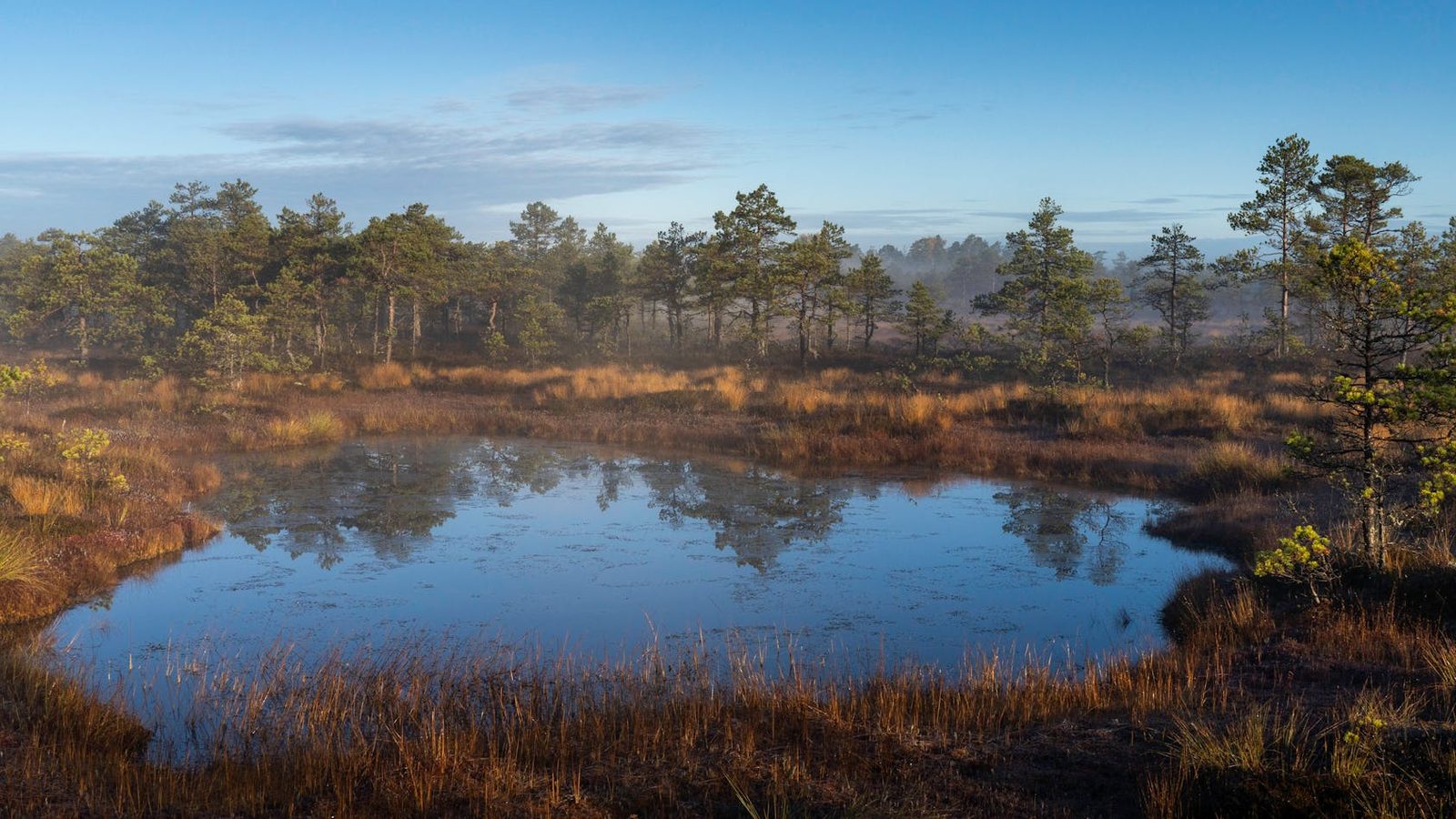
Finland holds a third of the EU's peatlands, and the country has learned to turn them from a source of climate trouble into a managed resource. This specialist draws peatland maps, counts carbon stocks, and decides where a bog must not be drained and where it's time to restore one.
What the specialist does
Combines fieldwork (augers, peat cores, gas analysers) with processing satellite imagery and LiDAR. The output: peat-depth maps, estimates of CO₂ and CH₄ emissions, and recommendations for foresters, farmers and municipalities.
Starting salary
According to Tilastokeskus, the average salary in Finland is 4252 € gross/month , which is roughly 3000 € net. Starting out at Luke (Natural Resources Institute) or GTK (Geological Survey of Finland) you'll see about 3500 € gross / 2600 € net – a bit below the national average, but in Joensuu or Oulu, where the fieldwork is concentrated, a one-bedroom rents for 600–750 €, and you live comfortably.
Salary after 3–5 years
3200–3800 € net. Growth comes through a PhD or a move into carbon-credit consulting – the voluntary carbon market is just picking up speed.
How to study
The Master's programme "Ecology, Evolution and Biodiversity Conservation" at the University of Helsinki, 2 years, 15000 € per year for non-EU citizens ; scholarships can realistically bring this down to zero. An alternative is the geoinformatics/forestry programmes at the University of Eastern Finland (Joensuu), which hosts the country's specialist school on peatlands.
Language and specific skills
English at B2 is enough for science and most jobs. Finnish becomes a plus in year three, especially for working with farmers. You'll need GIS (QGIS/ArcGIS) and basic Python or R for handling remote-sensing data.
Demand
Finland has committed to climate neutrality by 2035, and a third of the country's entire emissions come from drained peatlands. Luke and GTK have been opening positions regularly over the past few years, plus the private sector is growing – companies selling carbon credits from bog restoration.
Visa and route for foreigners
The "Residence permit for a specialist" with a salary threshold of 3937 € gross/month and fast-track processing in 2 weeks . With an MSc and an offer from Luke/GTK, this is the most direct path.
The big myth: "peatlands in Finland are only for biologists in rubber boots." In reality it's a very digital job: half your time is machine learning on Sentinel satellite imagery and modelling greenhouse-gas fluxes. The boots come out for just a couple of months in summer.
Finland is the global epicentre of the field: nearly 9 million hectares of peatland here, and it was Finnish scientists who wrote the methodologies for measuring emissions from drained bogs that are now used in the EU's climate reporting.
Standard route for a foreigner:
→MSc in ecology or geoinformatics (2 years) at Helsinki or Eastern Finland
→English at B2, start learning Finnish to A2
→summer internship or assistant position at Luke/GTK
→full-time offer and a specialist permit application
→move, then push Finnish to B1 over 2–3 years
The honest downside: the field season means mosquitoes, midges, and endless bogs under drizzling rain, sometimes a week away from any housing. But then it's back to an office with a big monitor, coffee, and the knowledge that you're literally measuring how the country is meeting its climate commitments.