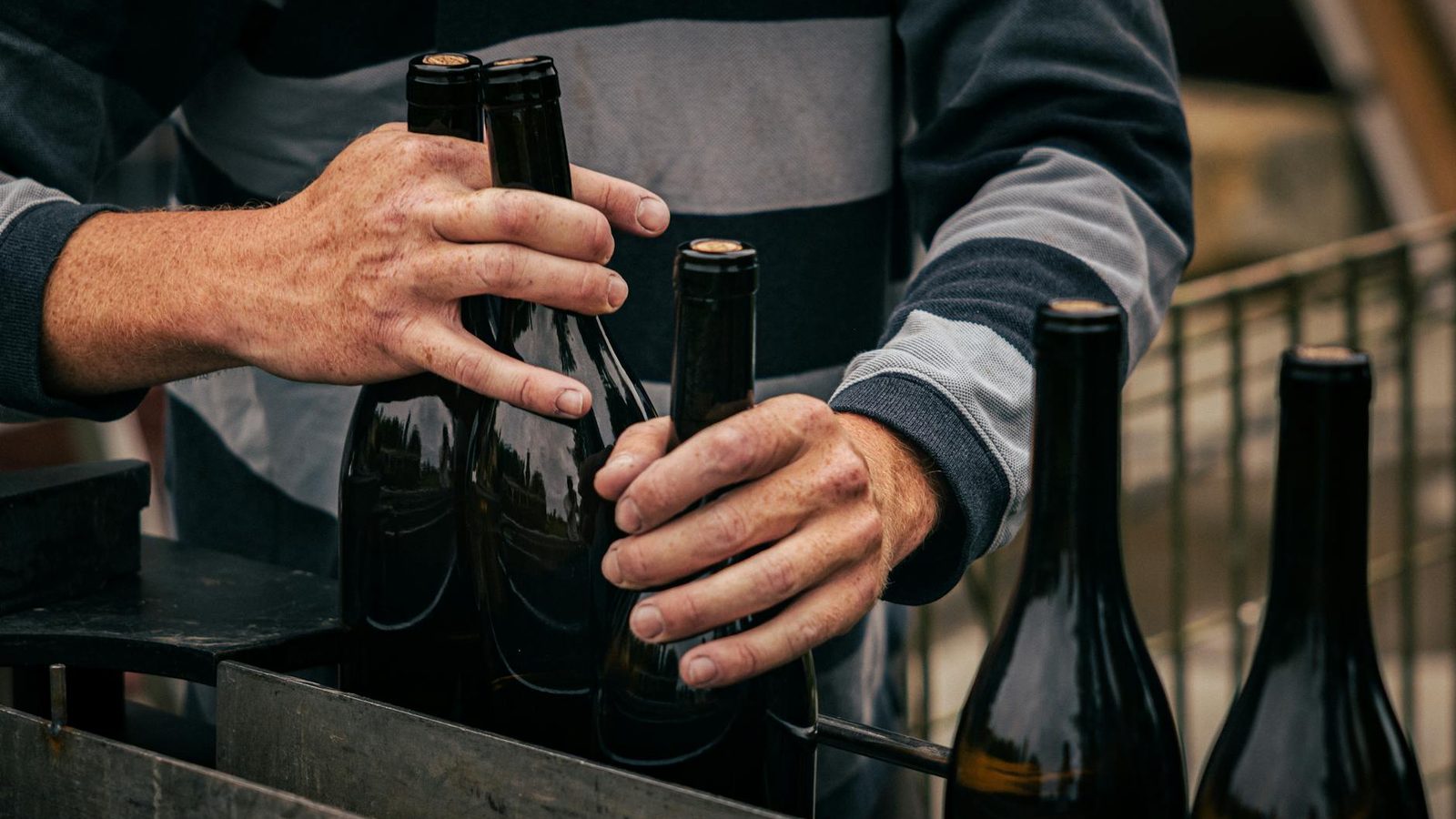
In the Czech Republic, beer is still the main national passion, but over the last few years a small but lively craft cider scene has grown up in Moravia and Bohemia: tiny manufactories working with old apple varieties, wild yeasts, and hand-bottling. It's work at the intersection of orcharding, food technology, and craft – no office, but plenty of presses, vats, and the smell of fermentation.
What the specialist does
Takes in apples from local orchards, sorts, washes, crushes, and presses them, runs fermentation in stainless steel vats or oak, monitors acidity and sugar, blends batches, filters and bottles the cider. In a small cidery one person often covers nearly the whole cycle – from handling raw fruit to sticking on labels.
Starting salary
At the start, typically around 1100–1300 € net/month – roughly in line with the regional market for small Moravian towns . It's not "fast money", but it's liveable: renting a small flat outside Prague often comes in at 450–650 €.
Salary after 3–5 years
Around 1400–1700 € net/month as an experienced cidermaker or technologist at a small manufactory. Higher incomes usually appear among those who launch their own micro-brand or combine production with tourism and tastings.
How to train
One well-known option is the three-day Cider Making CPL-3D course from Czech Brewery System (~2500 €) . But the course itself guarantees almost nothing: the real experience comes through internships and seasonal work at an actual production site.
Language and special skills
Czech at B1 level helps you work with the team, suppliers, and orchardists. English is needed for professional literature and for communicating with the European craft community. Basic chemistry, neatness, and a readiness for physical work all help.
Demand
The scene remains small, but it's gradually growing: new local producers are appearing in the Czech Republic, along with festivals and natural ciders in a "wine" style. Good specialists are scarce simply because the industry is still young and niche.
Visa and route for foreigners
For non-EU citizens, you usually need a job offer and an Employee Card. Processing often takes 2–3 months , the card is issued for up to 2 years with the option to extend.
The big myth: "In the Czech Republic, nobody wants cider – it's all about beer." Fifteen years ago that was closer to the truth. Now Prague hosts cider festivals, and local manufactories are experimenting with old apple varieties and natural fermentation. The Czech Republic isn't France or England in scale yet, but precisely because of that you can still feel the spirit of craft here rather than industry.
The country has held onto old apple orchards with varieties that don't work well for supermarkets but perform brilliantly in fermentation – sour, tannic, and complex in flavour. For small cideries, this is a real advantage over colleagues in Western Europe, where such varieties have almost died out.
Standard route for a foreigner:
→learn the basics of cidermaking at home or online
→get your Czech up to A2–B1
→take a short specialist course or internship
→look for seasonal work or a placement directly with producers
→get an offer and apply for an Employee Card
→move
The honest downside: it's a very seasonal job. From late summer to late autumn there can be 10–12-hour shifts with almost no days off – wet floors, heavy crates of apples, and constant cleaning. There's less romance than the tasting-room photos suggest.