Reef Restoration Diver
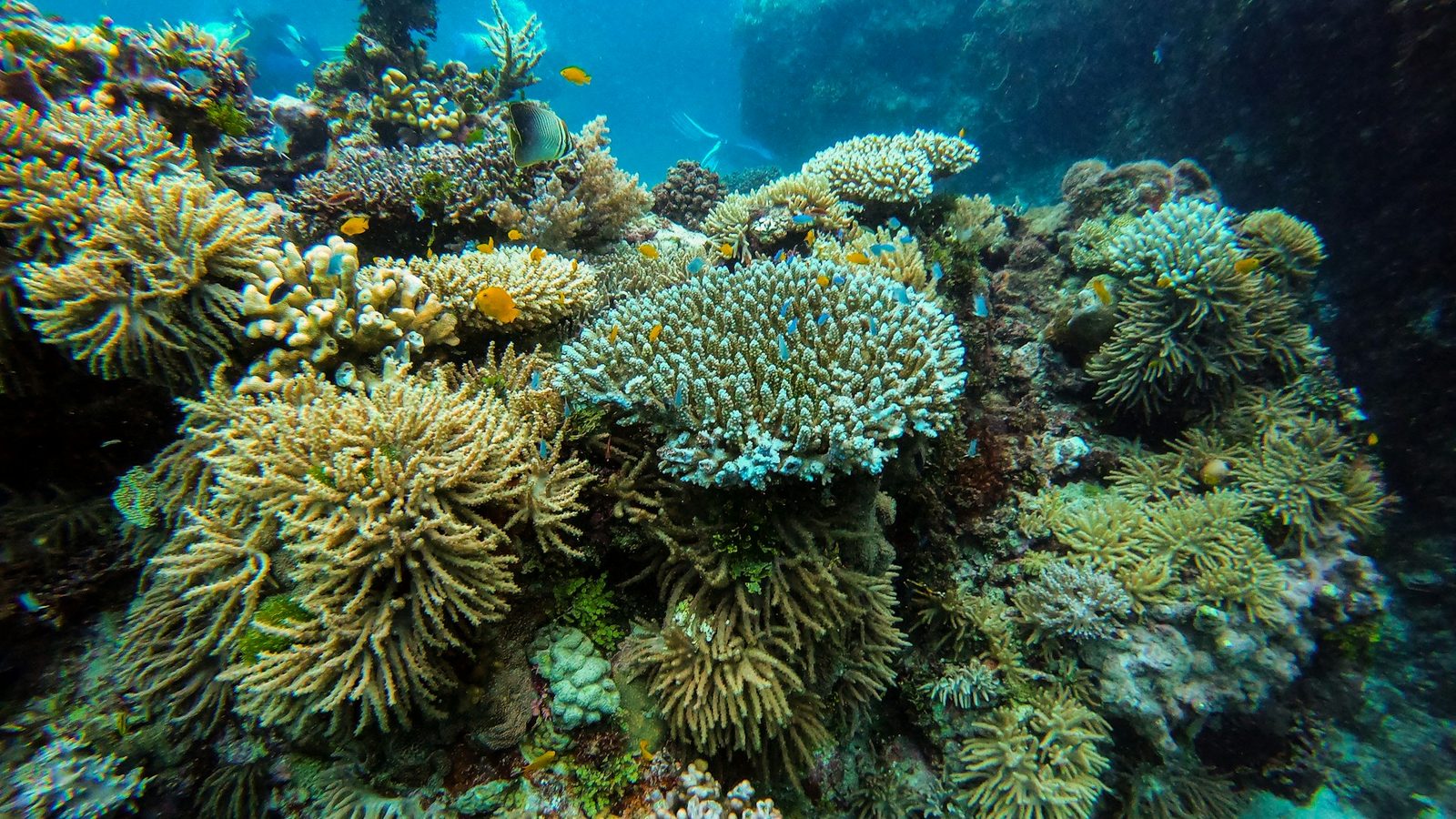
Australia holds the largest coral system on the planet – and actually pays the people who save it. Reef restoration diving here has long since moved beyond volunteering: it's a fully-fledged profession with a salary, a contract, and a base in a small tropical town by the Coral Sea.
The big myth: "Reef restoration is volunteering for enthusiasts, not a real job." In reality, the Great Barrier Reef Marine Park Authority (GBRMPA) and AIMS maintain a staff of paid field divers with an official salary under the industry's professional enterprise agreement. None of this "work for the experience" stuff – proper contract, proper money.
The Great Barrier Reef stretches for 2,300 km, and the COTS control programme requires teams of divers living aboard research vessels for up to 20 days at a stretch. In 2024–2025, AIMS and the Great Barrier Reef Foundation expanded the coral IVF programme (artificial coral fertilisation): divers go in at night, collect coral gametes right during the spawn, and manually disperse the larvae onto dead sections of the reef. This isn't the "save the planet" metaphor from a marketing brochure – it's shifts, observation logs, and the kind of tiredness that hits after six dives.
Standard route for a foreigner:
- Get PADI Advanced Open Water, Rescue Diver, and Nitrox, pass the AS/NZS 2299.1 medical and first-aid courses
- Complete the Scientific Diver / Research Diver programme – AHCLPW307 (8 days, around 1800 €)
- Apply for the Working Holiday Visa (subclass 417) – processing typically takes a few weeks
- Move to Townsville, apply for positions at AIMS, GBRMPA, and the Great Barrier Reef Foundation
- Land your first contract and rack up field hours so you can transition to a subclass 482
The honest downside: Some contracts, especially in the COTS programmes, are project-based – 6–12 months, after which you have to line up the next employer. The market isn't huge, and during gaps between contracts you have to hustle. But for a job where your shift literally takes place underwater among the corals of the Great Barrier Reef, people are willing to put up with that instability.