Traditional Absinthe Distiller
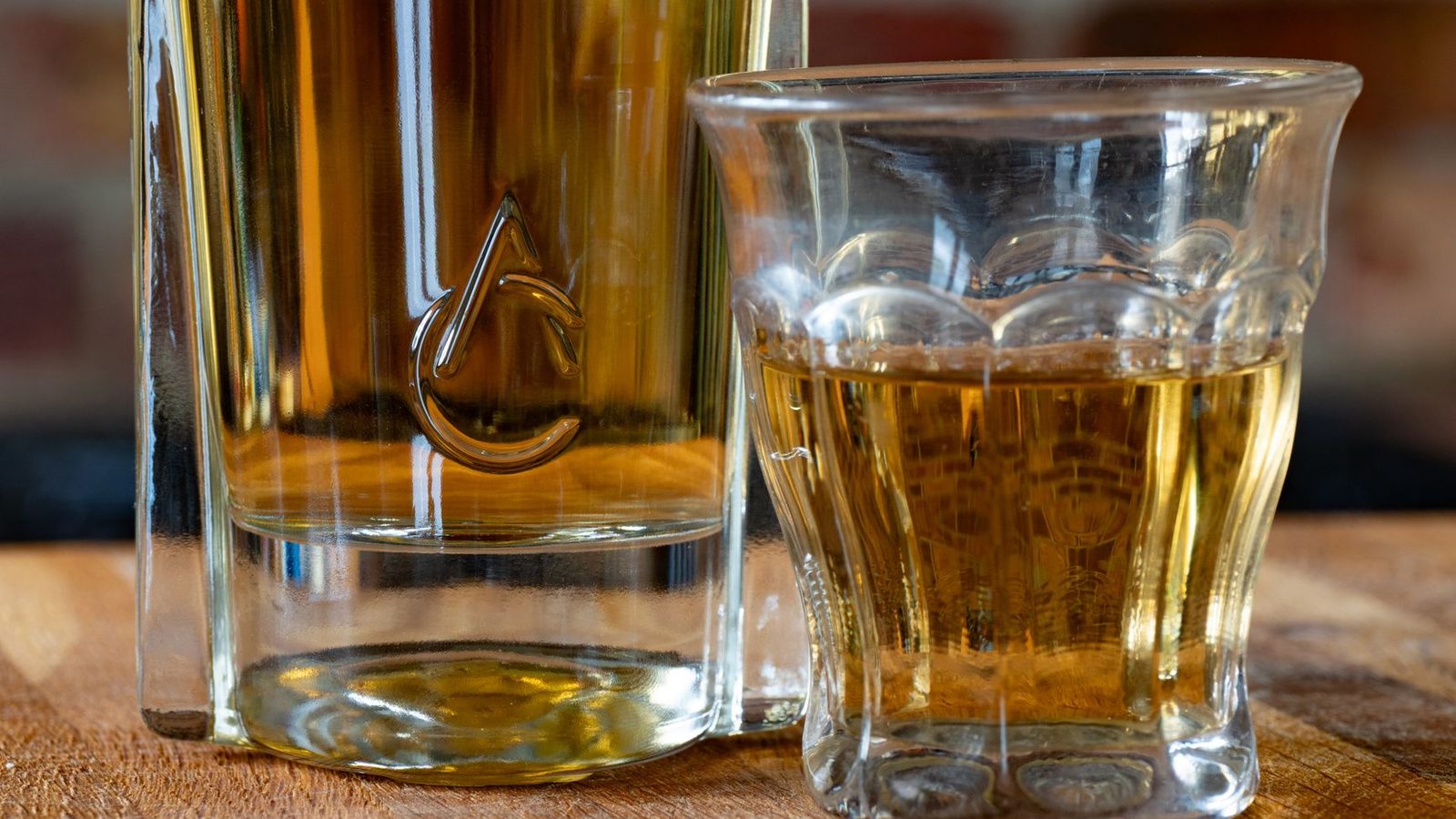
There are professions where history is literally dissolved into the product. In France, an absinthe distiller works with a drink that was banned for nearly a hundred years and then rehabilitated – and now it's experiencing a renaissance. This craft sits at the intersection of chemistry, botany, and a living 19th-century tradition.
The big myth: "Isn't absinthe banned – what work could there be?" No. After the EU set a thujone-content standard in 1988, and France definitively lifted its own 1915 ban in 2011, the country is going through a full-blown revival: dozens of new artisanal distilleries have opened precisely because legal demand for the historic product re-emerged.
Pontarlier isn't just a provincial town in Doubs. It's the historical world capital of absinthe: this is where the Pernod Fils factory stood, shut down by the 1915 ban. The craft itself returned to the town via modern artisanal distilleries – Les Fils d'Émile Pernot, Distillerie Guy. Since 2019 the drink has been protected by the IGP "Absinthe de Pontarlier" geographical indication, tied to traditional copper distillation and the "holy trinity" of herbs – grande wormwood, green anise and fennel. That's what creates steady demand specifically for masters of craft distillation.
Standard route for a foreigner:
- Learn French to B1–B2, study basic botany and organoleptics in parallel
- Take the "Formation distillation: produire des spiritueux" course (35 hours, 1950 €)
- Find an internship or vacancy at an artisanal distillery in the Franche-Comté region
- The employer issues the invitation and the autorisation de travail
- File for the VLS-TS, wait for the decision (2–8 weeks), move to Pontarlier
The honest downside: A starting 1520 € net is financially modest, especially in the first 1–2 years. Growth comes only with experience, there's no quick jump. But people don't come here for fast money – they come to make something real with their hands: a drink with two centuries of history.