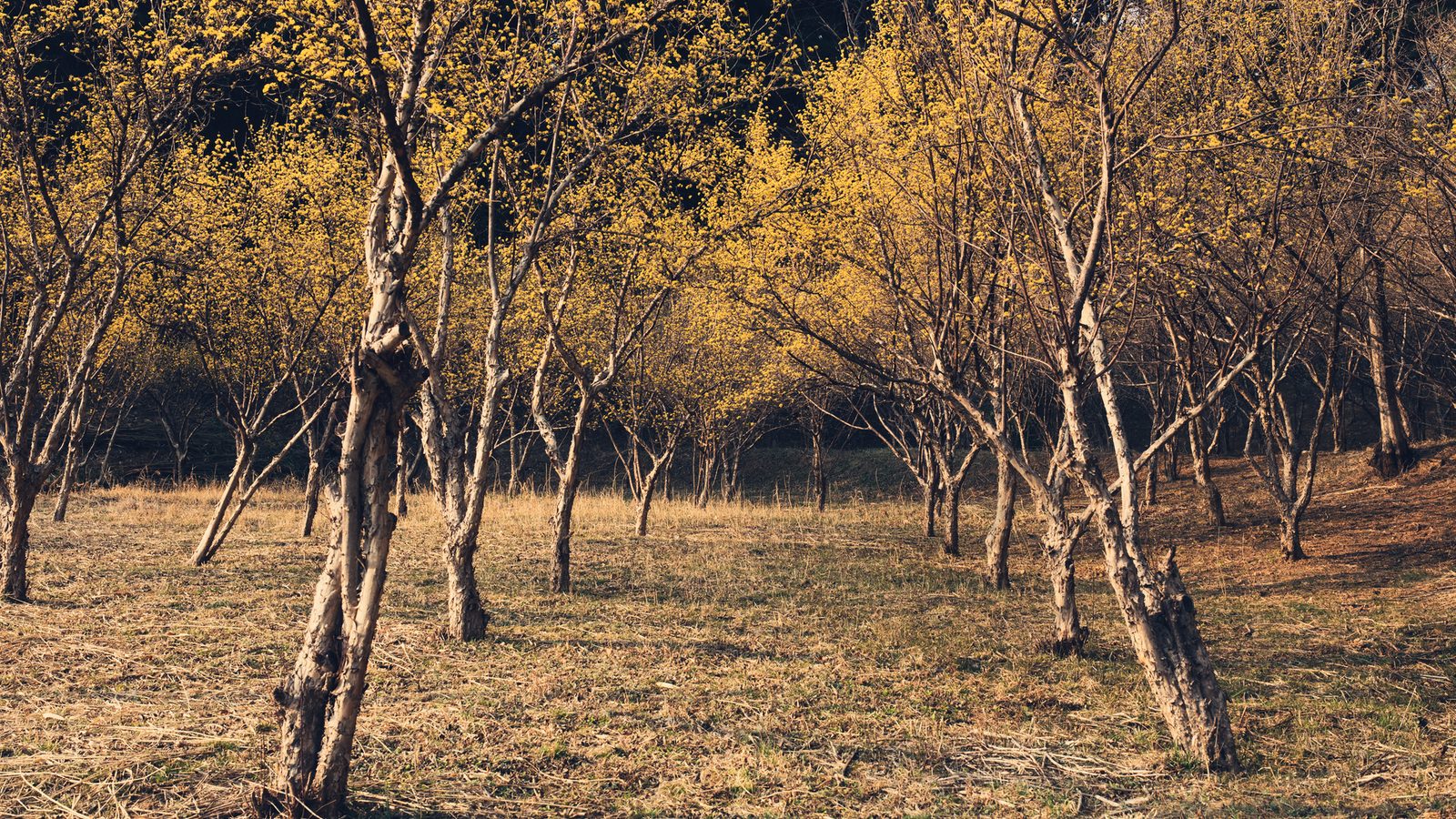
France is one of the world's main centres for black truffle cultivation. Modern trufficulture stopped being "a guy walking through the forest with a dog" a long time ago: it's a niche agronomic field at the intersection of mycology, forestry and precision agriculture, where the harvest depends not on luck but on soil quality, mycorrhiza, and decades of careful work on the plot.
What the specialist does
Establishes and manages truffle plantations: inoculates oak roots with mycorrhiza, monitors soil condition, irrigation and the development of the fungal network. The cycles are long – it takes 7–12 years from planting to the first serious harvest. Modern operations use mycorrhiza analysis, plot mapping, moisture monitoring and drip irrigation systems.
Starting salary
Technical specialists in the French agricultural sector start at roughly 1800–2200 € net per month . In truffle regions – Drôme, Vaucluse, Périgord – rent is cheaper than in major cities. The industry is very small: most specialists work for farms and cooperatives or as independent consultants.
Salary after 3–5 years
With experience, income grows mainly through consulting and overseeing several farms. Specialists who confidently use modern agritech earn noticeably above starting level.
How to train
The best-known introductory course is the Module Trufficulture: 28 hours (4 days) from 420 € . Short courses are suitable even for beginners. Longer programmes are aimed at those who already have a foundation in agronomy, forestry or horticulture.
Language and special skills
French at B1 level is practically mandatory: the industry is local and almost entirely French-speaking, English doesn't help much. Any hands-on experience in agriculture and soil work is a plus.
Demand
The industry is small but stable. Regional programmes support the development of trufficulture and the establishment of new plantations in the south of the country. There's demand in cooperatives, research centres and farms adopting modern methods.
Visa and route for foreigners
The long séjour salarié (VLS-TS) is used via the autorisation de travail procedure. The process takes from a few weeks to a couple of months depending on the préfecture.
The big myth: "Truffles are an old man with a dog and a secret spot in the forest." In reality, modern trufficulture looks more and more like high-precision agronomy: soil analysis, mycorrhiza monitoring, climate data and careful work with the plot's ecosystem.
The Richerenches market in Provence is one of the most famous truffle markets in Europe: in season, a kilogram of quality black truffle can cost from several hundred to several thousand euros. Research stations have spent decades studying ways to improve mycorrhizal yields – it's a living and highly specialised niche.
Standard route for a foreigner:
→Get French to at least B1 level
→Take a short course in trufficulture or basic agronomy
→Find an internship, seasonal work or contacts through cooperatives and agricultural schools
→Secure an offer, after which the employer launches the autorisation de travail
→Obtain the VLS-TS and relocate
The honest downside: most farms are small and hire a specialist on a consulting basis rather than on staff. Stable positions exist in trading cooperatives and research centres, there aren't many of them, and competition is real – but that's precisely why the people who come into this industry are usually those genuinely interested in trufficulture itself, not just the salary.