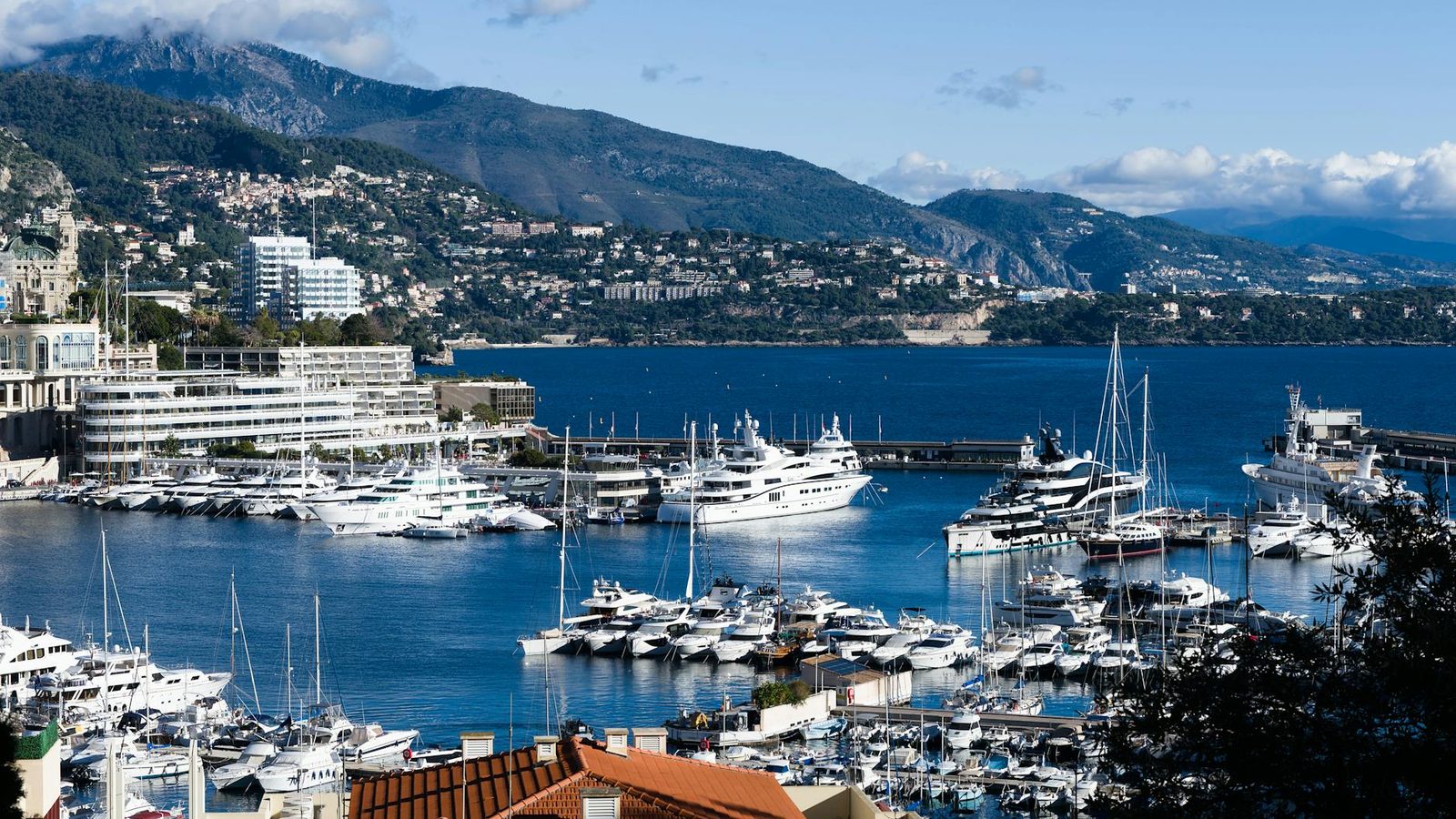
Monaco has long been not just a sovereign state but one of the world's leading hubs of the superyacht industry. Port Hercule is one of the key marinas of the Mediterranean and an important node of the charter season on the Côte d'Azur. This is where a career begins in which home and workplace constantly change coordinates.
What the specialist does
Responsible for daily life on board: table service, cabin cleaning, guest service, event coordination. In practice the job combines five-star hotel service, event management and personal service for guests.
Starting salary
Typically 2500–3500 € per month at entry level depending on the type of yacht and the season . The crew lives on board, so the main living expenses disappear. The tax burden for yacht crew is often lower than in a regular office job, especially with long stretches worked outside the country of residence. On charters there are tips on top – from a few hundred to a few thousand euros per week.
Salary after 3–5 years
4500–6000 € per month. After a few seasons many move up to a 2nd Steward / Stewardess position or land contracts on larger yachts.
How to train
The Superyacht Stewardess and Steward Training Course takes about 3 weeks and costs around 5000 € . It includes STCW Basic Safety Training, GUEST introductory modules, MCA Designated Security Duties and other certificates. There are no strict experience requirements.
Language and special skills
English at B2 is mandatory – it's the working language on every yacht. French at A1–A2 is a plus for the Riviera and Monaco.
Demand
The superyacht market keeps growing, especially in the charter segment and larger yachts, and steward / stewardess positions remain among the most in-demand entry-level roles on board.
Visa and route for foreigners
For short rotations – a Schengen C visa (multiple-entry). For crew members there are separate mechanisms for tracking stays via the crew list and port stamps , but the rules depend on the country and the seafarer's status. For a full season, a French D visa (up to 365 days) is recommended.
The big myth: "Working in service on a superyacht is just waiting on rich guests." Once on board it turns out to be a misconception: accommodation is included, the tax burden is often lower than in a regular office job, and the workload and level of responsibility are higher than many people expect from the outside.
Port Hercule is one of the most expensive marinas in the Mediterranean and remains one of the key nodes of the Mediterranean charter season. In winter the yacht is often repositioned to the Caribbean – same contract, different ocean. Two seasons a year without changing employer.
Standard route for a foreigner:
→English to B2, basic understanding of service work
→Superyacht Stewardess Training Course, a basic package of certificates in a few weeks
→Registration with agencies in Antibes or Palma, crew CV
→First contract as junior steward / stewardess via an agency or dock networking
→Boarding in one of the Riviera's yacht ports and starting the Mediterranean season
The honest downside: the work is entirely seasonal and contract-based. Between seasons you need to actively look for the next contract through agencies – there's no stable schedule. But that's exactly why people come here: the next contract might start in the Maldives.