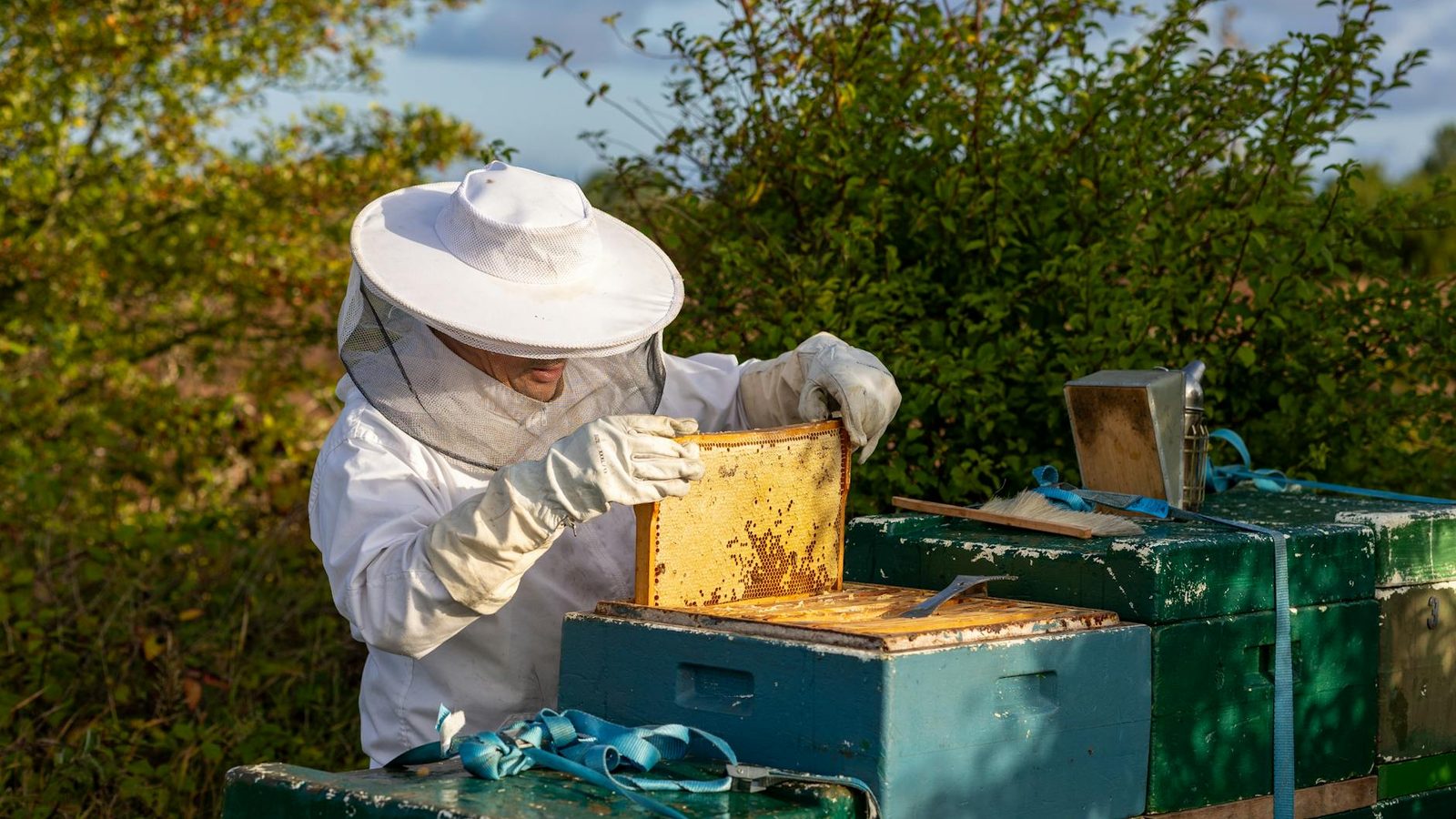
New Zealand is the world's hub for manuka honey production, and a country where commercial beekeeping has long been a serious export industry. A commercial beekeeper isn't tending a couple of hives "for fun" – they manage hundreds or thousands of colonies, move apiaries between regions, monitor bee health, and help produce honey for the global market.
What the specialist does
Runs commercial apiaries: inspects hives, treats and prevents bee diseases, transports hives to orchards and fields for pollination, harvests honey, and prepares the product for processing or export.
Starting salary
Around 2400–3200 € gross per month . Entry-level is usually hourly and seasonal. Larger operators sometimes provide housing near the apiary, which noticeably cuts living costs.
Salary after 3–5 years
Typically 3500–6000 € gross per month for experienced specialists and apiary managers. Income depends heavily on the season, hive count, and responsibilities.
How to train
The most common route is the New Zealand Certificate in Apiculture (Level 3) . The programme runs about 8 months and is often combined with work on an apiary. There are usually no formal entry requirements.
Language and key skills
English at B1–B2 is enough. What matters more is stamina, attention to detail, and willingness to work outside in any weather. In peak season the days are long, and some of the work happens at night or early morning.
Demand
Beekeepers are still needed, especially by large commercial operators. But the immigration system is shifting: the main route for foreigners now isn't the "skill shortage list" – it's finding an accredited employer who can hire under AEWV.
Visa and route for foreigners
The main option is the Accredited Employer Work Visa (AEWV). You need an offer from an accredited employer. In 2026 New Zealand is tightening English-language requirements for some work-visa roles .
The big myth: "Beekeeping is a calm little hobby." In commerce it's nothing like that – hives are constantly being moved, heavy supers get lifted by hand, and people work in heat and rain for 10–12 hours at the height of the season. That's exactly why large companies are always hiring.
New Zealand is especially known for manuka honey – it's exported worldwide and sells for substantially more than regular honey. The industry has long outgrown any "farming romance": it's agribusiness, with logistics, exports, and strict disease control.
Standard route for a foreigner:
→Get your English up to confident everyday level
→Find a vacancy with an accredited employer
→Secure an offer and apply for the AEWV
→Start work at a commercial apiary
→Study alongside the job, building up apiary management experience
The honest downside: the work is highly seasonal. Activity drops in winter, and some companies cut hours. It's also physically demanding. But for anyone who likes hands-on work, machinery, and being outdoors instead of in an office, commercial beekeeping is one of the more unusual ways to move to New Zealand.