Permafrost Monitoring Field Technician
Permafrost Monitoring Field Technician

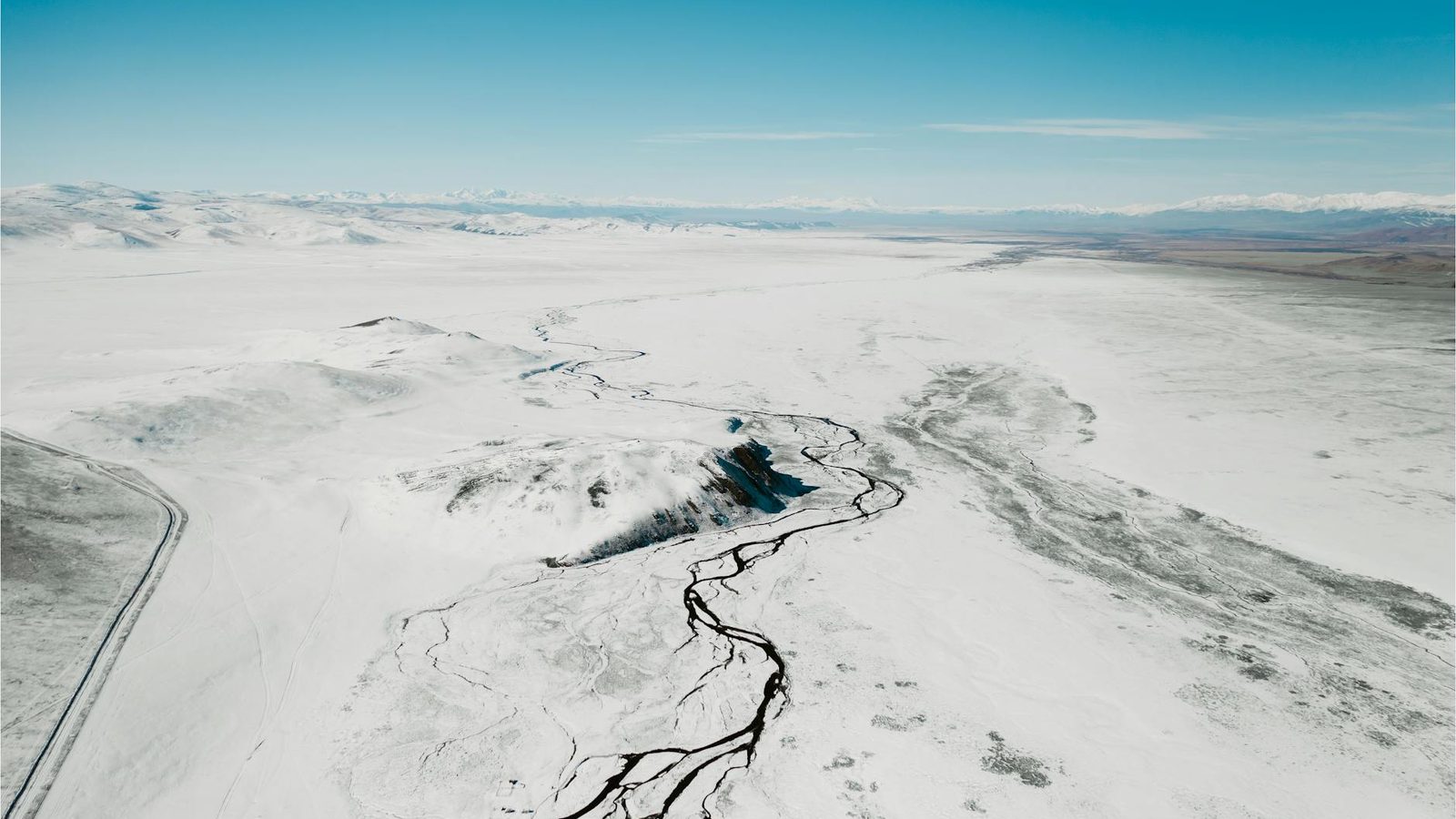
Almost half of Canada's territory sits on permafrost – and it's melting. Field technicians in the Canadian Arctic document this from the inside: sensors, data loggers, tundra, helicopter. One of the few scientific professions you can get into without a university degree.


What the specialist does
Installs and maintains ground temperature and displacement sensors, collects data under Arctic field conditions, keeps observation logs for government monitoring networks.
Starting salary
2100 € net per month . In Yellowknife, a one-bedroom apartment runs 1050–1300 €, groceries are 20–30% more expensive than in the southern provinces, so the starting income covers the basics – especially if you're working rotational shifts with free camp accommodation. The figure doesn't include the northern allowance, which comes on top and is substantial.
Salary after 3–5 years
2900–3600 € per month. The experienced level means working for government agencies or mining companies in Yukon, the Northwest Territories, and Nunavut.
How to train
Environmental Technician Certificate Program (ETCP) from Vancouver Island University – 5 weeks, 200 hours, in person, mostly hands-on fieldwork. No strict admission requirements. But the entry-level vacancy at the CHARS station demands three things: a high school diploma, a driver's licence and – pay attention – a firearms licence (without one, they won't let you out into the tundra, it's polar bear protection).
Language and special skills
English at B2 level – mandatory (vacancies are marked "English Essential"). French isn't required. For some modules – a one-day first aid course with CPR.
Demand
Permafrost thaw is accelerating, and it covers around 40% of Canada's territory. Government funding for monitoring networks grows every year, demand for field technicians in the North stays consistently high.
Visa and route for foreigners
The Temporary Foreign Worker Program: first the employer files an LMIA – confirmation that no local candidate was found for the position , then you get a work permit tied to that employer. The whole process realistically takes several months (LMIA is the longest part). The scheme works: northern employers are used to hiring foreigners exactly this way.

The big myth: "It's hard physical work for geologists with degrees." In reality, the main thing is carefully collecting data, installing sensors and reading instruments. Many come from environmental monitoring or biology backgrounds. No university needed: formally, a high school diploma, a driver's licence and a firearms licence are enough.

The workday feels like an expedition: snowmobiles, helicopters, tundra. The CHARS station in the hamlet of Cambridge Bay on Victoria Island is Canada's flagship Arctic research station, and they hire technicians without university degrees. Ground thaw is destroying roads and houses in entire settlements – and your data is what underpins the decisions about what to do about it.

Standard route for a foreigner:

  • Complete the Environmental Technician Certificate Program (ETCP) from VIU – 5 weeks / 200 hours, in person
  • Get a one-day first aid certificate with CPR
  • Obtain a firearms licence (required for tundra work)
  • Find an employer in the North (CHARS, the PermafrostNet network, mining companies) and secure an offer
  • The employer files an LMIA, you apply for the tied work permit – the whole thing takes several months
  • Relocation: rotational shifts with camp housing or renting in Yellowknife

The honest downside: the jobs are in remote settlements in Nunavut, the Northwest Territories and Yukon, social infrastructure there is minimal, and for a family with kids, the move becomes its own project. But that remoteness is exactly what draws people: Arctic silence, the feeling of working at the edge of the map, and data that literally reshapes humanity's understanding of the planet.

Liked the post? Follow on Telegram →