Traditional Gouda Cheese Cave Affineur
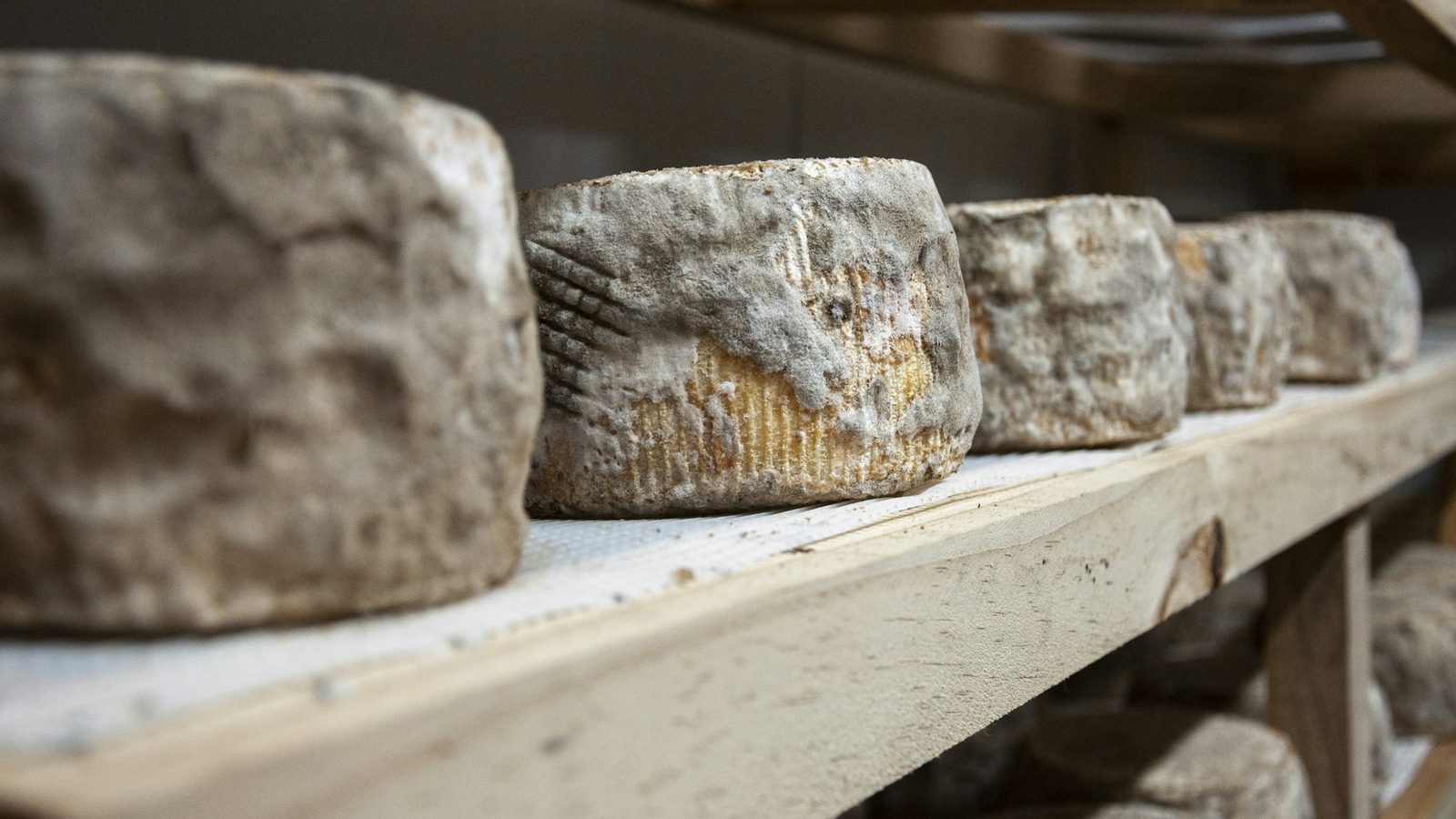
There's work where the main tools are time, coolness, and your own hands. The Netherlands is known as a country of industrial vacuum-packed cheese, but behind that façade lives a separate niche: artisan affineurs (masters who bring cheese to maturity in the cellar), who literally grow flavour.
The big myth: "Dutch cheese is conveyor belts and vacuum packs." Partly true for the mass market, but Boerenkaas has Traditional Speciality Guaranteed status (TSG – protection of the traditional production method, not the geography) and by the rules must be made right on the farm from unpasteurised milk. The affineur takes personal responsibility for the flavour profile of the wheels they set aside to age months earlier.
De Kaasrijper in Woerden is a third-generation family business whose name literally translates as "The Cheese Ripener". Places like this exist and are going through a quiet revival: Dutch cheese exports run to several billion € a year, while artisan cellar masters against that backdrop number just a handful.
Standard route for a foreigner:
- Learn Dutch to A2–B1, and in parallel take Thuisstudie Kaasmeester (NNKAAS) by distance
- Build a portfolio: home aging experiments, an internship with a local cheesemaker in your home country
- Find an offer from an artisan producer or a farm with an aging cellar in the Netherlands
- The employer goes through the UWV labour market test and files the GVVA application (IND timeline up to 90 days)
- Relocate to Gouda or the surrounding area, start work under contract
The honest downside: The cellar is +12–14 °C and high humidity, for hours every day. The work is physically monotonous: turning and rubbing wheels by hand on schedule isn't the most spectacular process. But that's exactly what people come here for: you're the only one who knows what the flavour will be a year from now.