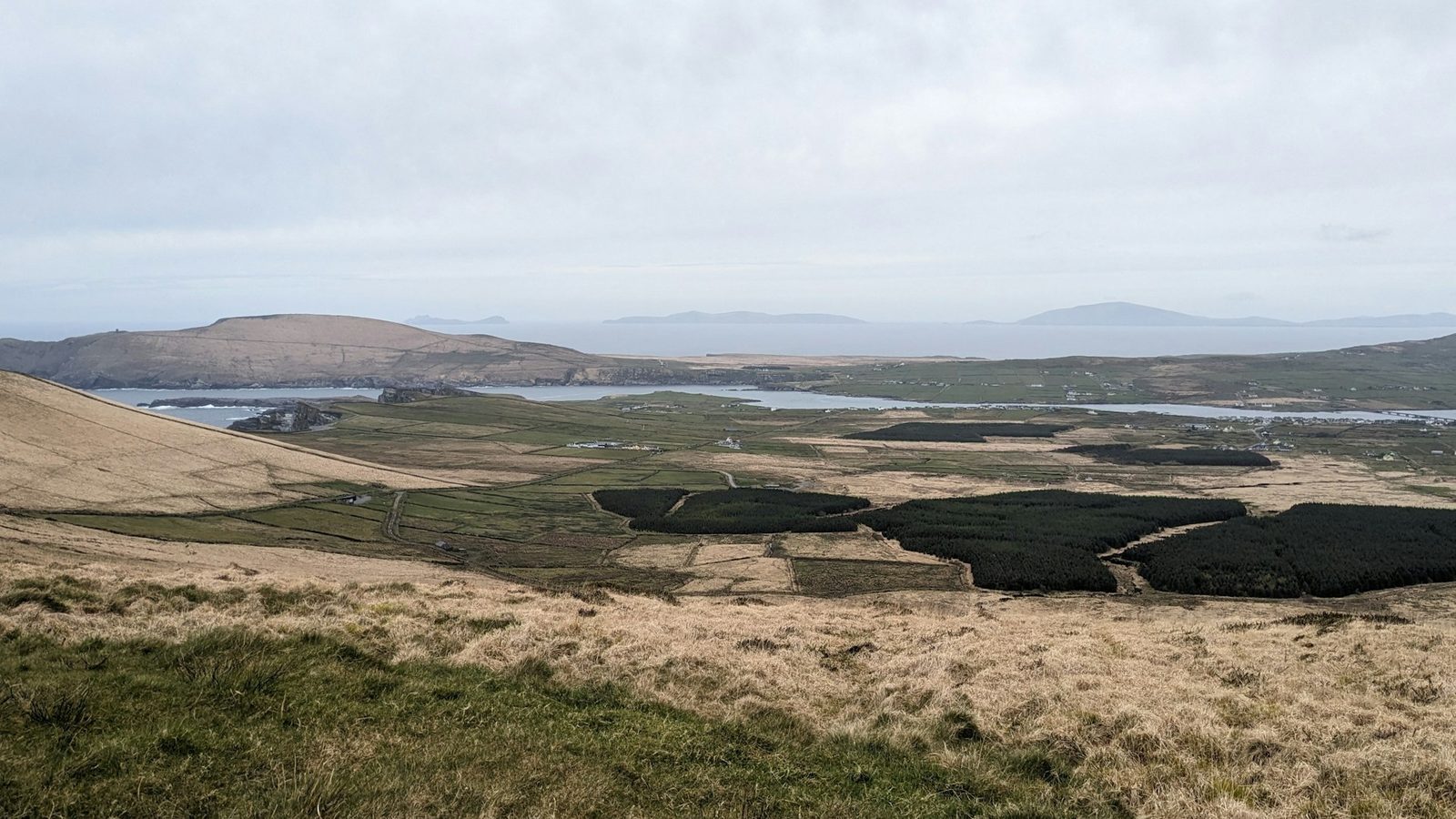
Ireland is paying specialists to bring back what it spent decades destroying. Peatland restoration here isn't a volunteer project – it's a state programme with an EU budget and structural demand for trained people. The combination of a rare specialisation and a real climate mandate makes this one of the few niches where "green career" isn't a metaphor.
What the specialist does
Plans and carries out the restoration of degraded peatlands: blocks drainage channels, manages hydrology, monitors vegetation and carbon stocks. The job is on the ground, in the data, and with government clients all at once.
Starting salary
2500 € net per month – slightly below the national average, but in Galway – the city closest to most peatland projects – you can live without stress: a studio runs around 1100 €, a room in a shared flat from 700 €, noticeably cheaper than Dublin.
Salary after 3–5 years
3100–3700 € net per month with three or more years of experience and promotion to senior ecologist or project manager.
How to train
The relevant course is named precisely: Certificate in Blanket Peatland Restoration – a postgraduate certificate from ATU in Sligo, 10 ECTS, one semester (about 4 months), 800 € . The format is blended: online lectures plus mandatory in-person workshops on GIS and field trips to the bogs. Entry requirement – a Level 8 Honours bachelor's degree (H2.2 or higher) in biology, ecology, geography or a related field.
Language and special skills
Working language – English B2+. Irish is not required. Field GIS skills and an understanding of hydrology are a plus when hiring.
Demand
Bord na Móna, under the Peatlands Climate Action Scheme, is restoring around 33,000 ha across 82 former industrial bogs. Under the EU Nature Restoration Law, Ireland has committed to rehabilitating about 25,000 ha by 2030 (then 40% by 2040 and 50% by 2050) – the demand is written into legislation, not into good intentions.
Visa and route for foreigners
Critical Skills Employment Permit (Environmental Scientists, code 2114) – processed in about 5 weeks, fee 1000 € (90% refunded if refused), job offer of at least 2 years. Key threshold: the employer's annual salary must be no less than 40904 € gross (36848 € for recent graduates). An ecologist's starting salary sits right at that line, so the visa is realistic for specialists with experience or with an offer that includes a salary uplift.
The big myth: "Bogs are mud and rubber boots, not a career." In reality, Irish peatlands store more carbon than all the country's forests combined. Their restoration is funded by the EU and governed by binding directives. This is the front line of climate policy, not a naturalist's hobby.
Bord na Móna spent ninety years extracting peat – and officially switched its mission to restoration, hiring ecologists for the same lands where excavators used to work. In parallel, in October 2024 the EU-supported WaterLANDS project ran Ireland's first training course in peatland restoration for practitioners; the formal certificate is run by ATU in Sligo. The niche is only just forming, and the skills shortage in it is structural, not temporary.
Standard route for a foreigner:
→Get a bachelor's degree in a related discipline recognised (biology, ecology, geography)
→Complete the Certificate in Blanket Peatland Restoration at ATU – a blended-format semester with in-person workshops in Sligo
→Build field experience through internships or projects back home
→Find a vacancy via ecocareers.ie or with Bord na Móna and secure an offer at 40904 € gross or above
→Apply for the Critical Skills Employment Permit and move
The honest downside: Most projects are in rural Ireland (the Midlands, Connacht, Sligo). Urban infrastructure is thin, and housing choices in small villages are limited. But that's precisely what people come for: to work not in an open-plan office, but where the bog actually comes back to life.