Artisan Ramen Chef
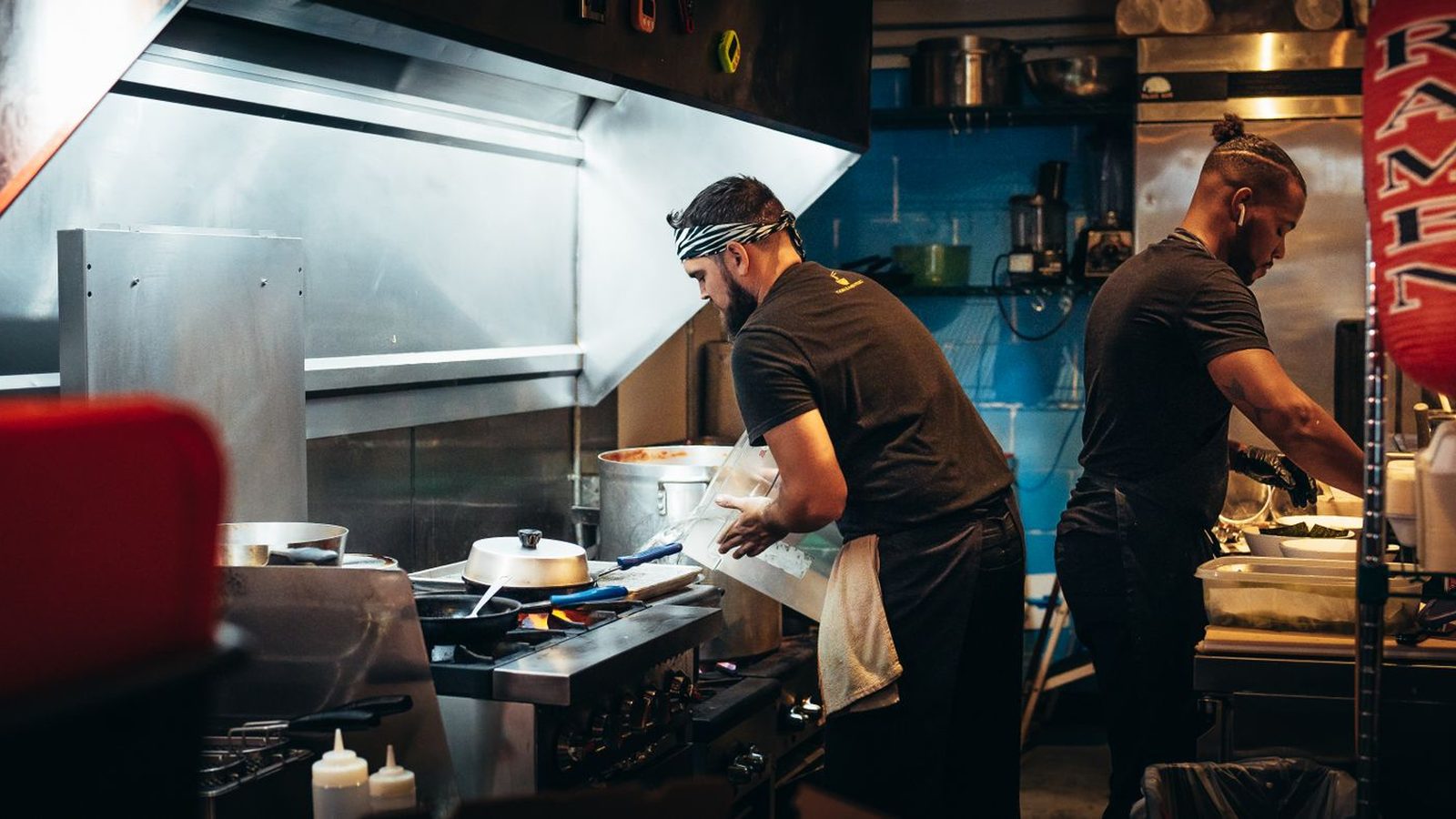
Singapore is one of the few places where Japanese street food sits as an equal alongside high cuisine. Ramen here long ago outgrew fast-food status: shopping malls host concept restaurants with one- to two-hour queues, and Japanese restaurateurs regularly bring specialist staff to the island.
The big myth: "Ramen is just instant noodles." In reality, tonkotsu broth simmers 12–18 hours (longer at top spots), chashu is marinated for 48 hours, and the noodle recipe is tweaked daily – the master checks a hygrometer and recalculates the water-to-alkali ratio against the air humidity. This isn't cooking, it's sommelier-level precision in a hot kitchen.
Singapore is a place where ramen joints share a mall with Michelin stars. Ramen Keisuke runs around 17 outlets across 15 unique concepts, and the popular ones see long peak-hour queues. The local climate – around +30 °C by day, humidity 80–87% – isn't just background, it's a professional challenge: recipes here are adapted to the weather daily.
Standard route for a foreigner:
- Complete the Japanese Ramen Full Course (4-Day) – walk away with a basic certificate
- Build kitchen experience at a Japanese restaurant at home or elsewhere in Asia
- Track vacancies at Japanese restaurant groups in Singapore (Washoku Agent and similar)
- Land an offer with S Pass sponsorship from the employer
- Get the visa in 1–3 weeks and relocate
The honest downside: A ramen kitchen means 10–12-hour shifts beside scorching stockpots, and Singapore's heat doesn't let up outside either. It's physically tough, especially during lunch and dinner rush. People don't come here for an easy life – they come for a craft that's respected here, and paid for accordingly.